
It Is Time for Santri to Level Up: Bringing Traditional Values to the International Stage
Published by Latifatussolikhah, 23 Oct, 2026
Est. 7 Minutes
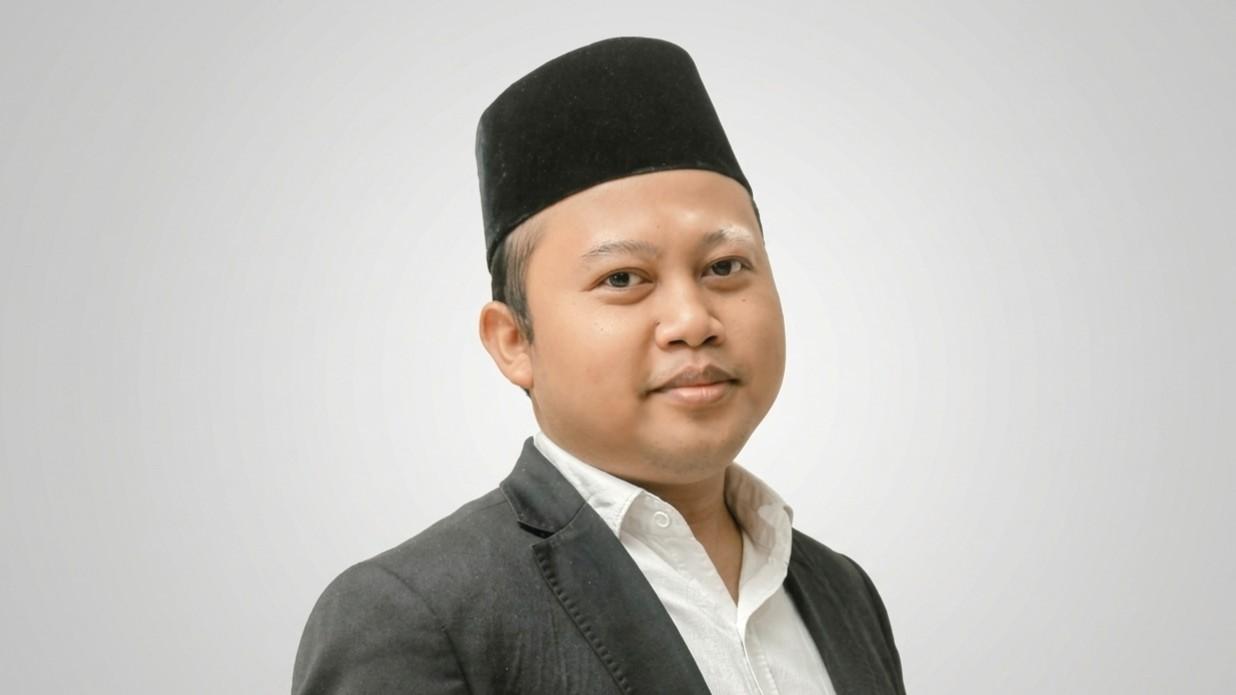
By Irhas Baduzzaman, S.I.Kom., M.A.
[OPINION] Every October 22, Indonesia commemorates National Santri Day, a day honoring students of Islamic boarding schools (pesantren). Since it was established by Indonesia’s seventh president, Joko Widodo, in 2015, the commemoration has grown into an annual occasion celebrated not only by santri and pesantren alumni but also by people from diverse backgrounds. In 2026, under the administration of Indonesia’s eighth president, Prabowo Subianto, the government’s recognition of pesantren has entered a new phase with the establishment of the Directorate General of Pesantren within the Ministry of Religious Affairs. This recognition matters. It affirms that pesantren are not merely institutions of religious education but also an integral part of Indonesia’s history, identity, and future.
However, government recognition and support do not automatically translate into progress. Meanwhile, pesantren continue to endure and grow through the strength of their own communities, relying on the dedication of their leaders, the service of their teachers, the collective efforts of students’ families, and the support of congregations. This independence is one of pesantren’s greatest strengths. Yet, amid rapid social, economic, and technological change, independence alone is not enough to ensure that all pesantren have equal opportunities to develop.
Therefore, the key question on National Santri Day is no longer simply how the state recognizes santri and pesantren, but how that recognition can be translated into greater capacity. How can pesantren do more than survive and instead continue to grow? How can santri develop not only a strong religious foundation and moral character but also scientific knowledge, professional competence, and the ability to play strategic roles in national life?
From a Tradition of Learning to a Tradition of Knowledge Production
Pesantren have successfully nurtured individuals with a strong commitment to learning. Santri memorize the Qur’an, study hundreds of classical Islamic texts (turats), and explore various Islamic disciplines through lengthy processes that demand extraordinary discipline and patience. This is a valuable intellectual asset. Yet, as an exercise in self-reflection, we need to ask: to what extent has this dedication translated into scholarly publications, innovation, and the ability to solve societal problems? Put simply, santri also need a solid foundation in general knowledge. This is essential as they prepare to leave pesantren and engage with wider society.
The time has passed when a santri who specializes in Qur’anic memorization is unfamiliar with technology, or when a student of the salaf tradition who excels at reading classical texts lacks basic mathematical skills. Mastery of religious knowledge and proficiency in science, technology, and numeracy should not be treated as competing priorities. The challenge is to expand pesantren’s learning tradition into a tradition of knowledge production without sacrificing its depth and identity. Santri must do more than acquire knowledge; they must also develop the ability to transform it into meaningful contributions. It is time for their intellectual depth to be shared with wider audiences rather than remaining confined within the pesantren community.
KH Bahaudin Nursalim, widely known as Gus Baha, has emphasized the importance of knowledgeable religious scholars having the courage to demonstrate their expertise so that people know whom they can turn to for guidance. This message remains relevant for santri today: reluctance to step into the public eye should not leave public, professional, and academic spaces to those who may lack adequate competence. Santri need to show up, demonstrate their capabilities, and prove their knowledge through meaningful work—not to boast, but to ensure that their knowledge benefits a wider community.
Expanding the Horizons of Da’wah
Da’wah, or Islamic outreach, does not have to take place only from a pulpit. It can also be expressed through research that addresses societal problems, technology that improves people's lives, policies that promote justice, and professionalism in the workplace. Pesantren have built strong social ecosystems, but the challenge is to ensure that santri’s contributions extend beyond pesantren communities, religious circles, and regional da’wah forums.
To achieve this, santri need to broaden the reach of their da’wah through mass media, the internet, and social media. In the digital era, ideas can reach thousands or even millions of people without requiring them to gather in one physical location. Media literacy and digital proficiency are therefore no longer optional skills but essential components of effective da’wah. Santri must be willing to innovate and adapt to changing ways in which people access information. Adaptability, however, does not mean blindly following every trend. Technology and popularity must remain tools for communicating values, not reasons to compromise principles in pursuit of public attention.
Beyond the digital sphere, the field of da’wah also extends to universities, laboratories, corporations, newsrooms, and policymaking institutions. Santri need to take their place as academics, researchers, professionals, journalists, entrepreneurs, and policymakers who can contribute valuable perspectives to issues involving education, the economy, the environment, technology, and humanity. If the values of pesantren are to help shape society’s direction, santri cannot simply wait for people to enter their spaces of religious outreach. They must have the courage to enter the spaces where public opinion is shaped and the future is determined. Da’wah is not merely about how many people hear a message of guidance, but also about how widely the values of goodness are reflected in everyday life.
Diversifying Paths of Contribution
Santri need to recognize that serving religion and the nation does not have to lead everyone toward the same profession. Indonesia needs ulama, preachers, and religious teachers with deep knowledge. It also needs santri who become financial experts, economists, engineers, doctors, technology specialists, professionals in the defense industry, entrepreneurs, and public policymakers. All these fields need people who are both competent and committed to integrity.
Santri should not have to concentrate all their energy on competing for a limited number of roles in religious service while many strategic sectors remain underrepresented by them. Finance, the economy, technology, and defense, for example, all help determine the nation’s direction and future. Are not the values of trustworthiness, justice, public welfare, and responsibility taught in pesantren equally relevant to shaping these fields?
Pesantren must therefore make room for a wide range of aspirations and career paths. The success of pesantren education should not be measured solely by how many graduates become kiai or preachers, but also by how broadly they contribute across different areas of society. We need a diversity of roles—not to encourage santri to abandon their identity, but to enable the values they have learned to reach more parts of society.
Ultimately, santri need a commitment to professional excellence—a willingness to take on roles that match their capabilities and expertise without losing sight of the values that ground them. They do not have to occupy the same professional ranks to serve religion and the nation. In fact, the more diverse the fields they pursue with competence and integrity, the greater the benefits pesantren can bring to Indonesia.
Santri do not need to become someone else to become professionals. They need to bring their santri values into their professional lives. It is time for santri to level up—not by abandoning pesantren traditions, but by turning those traditions into a source of strength for addressing the challenges of our time. National Santri Day should not remain merely a celebration of past contributions; it should become a moment to broaden aspirations and expand the horizons of service. Indonesia needs santri who are not only dedicated learners with strong moral character but also skilled professionals, courageous contributors across diverse fields, and creators of meaningful work that delivers tangible benefits to the nation.*
Author: Irhas Baduzzaman, S.I.Kom., M.A., Director of Pesantren Affairs at Universitas Nahdlatul Ulama Yogyakarta (UNU Jogja). A graduate of the University of York, United Kingdom, he is active in the Regional Board of Nahdlatul Ulama (PWNU) in the Special Region of Yogyakarta and previously taught at Pondok Pesantren Ali Maksum in Krapyak, Yogyakarta.
Editor: Latifah
*Editorial Note: This article is the work of its author. All content, views, interpretations, and information presented are the author’s responsibility. The editorial team is not responsible for the opinions or viewpoints expressed in the article, apart from editorial revisions made for publication purposes.
Share
Related News
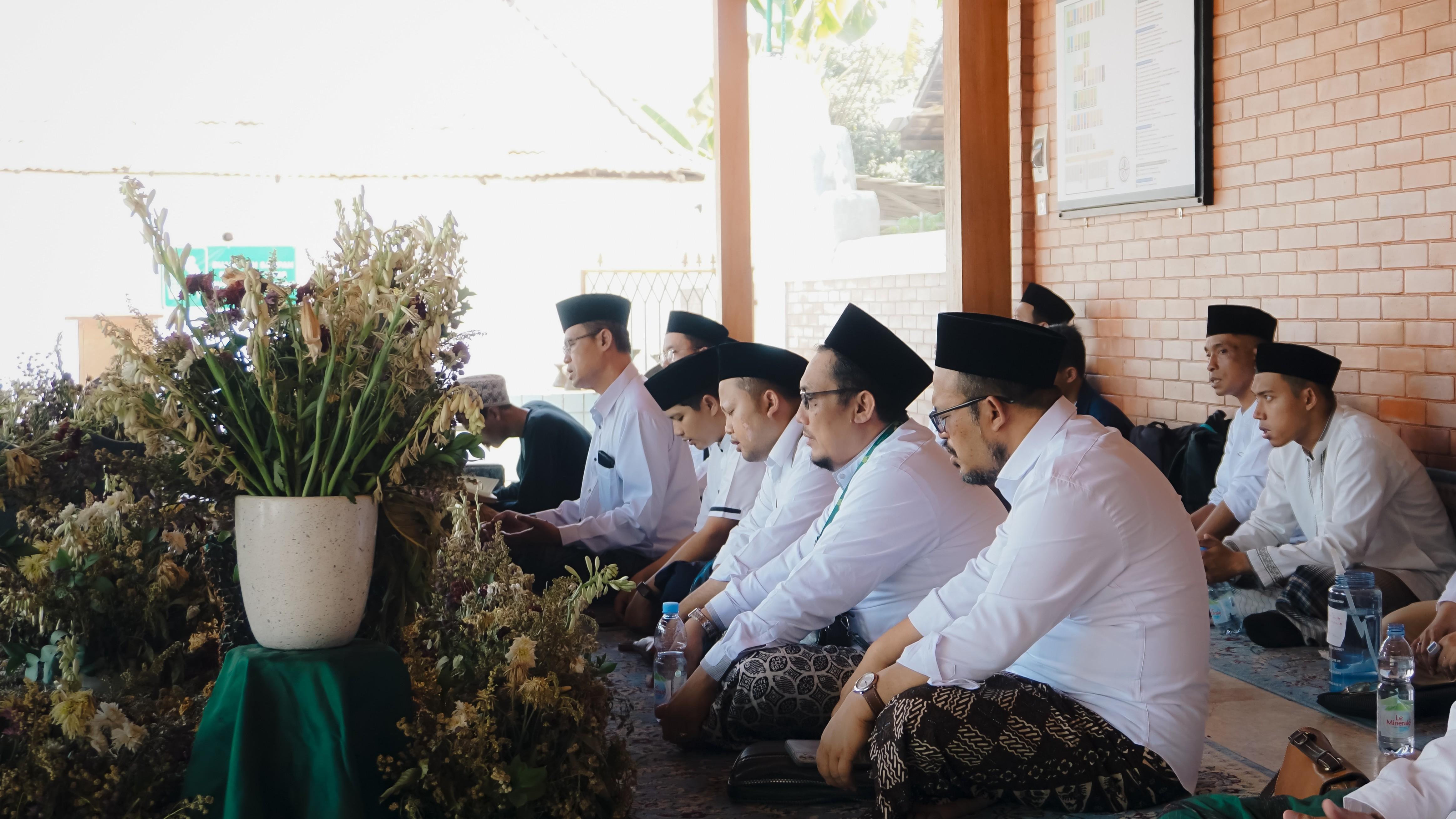
UNU Jogja Traces Islamic Scholars’ Legacy Through Auliya Pilgrimage on National Santri Day 2026
Published by Latifatussolikhah, 23 Oct, 2026 | Duration. 3 Minutes
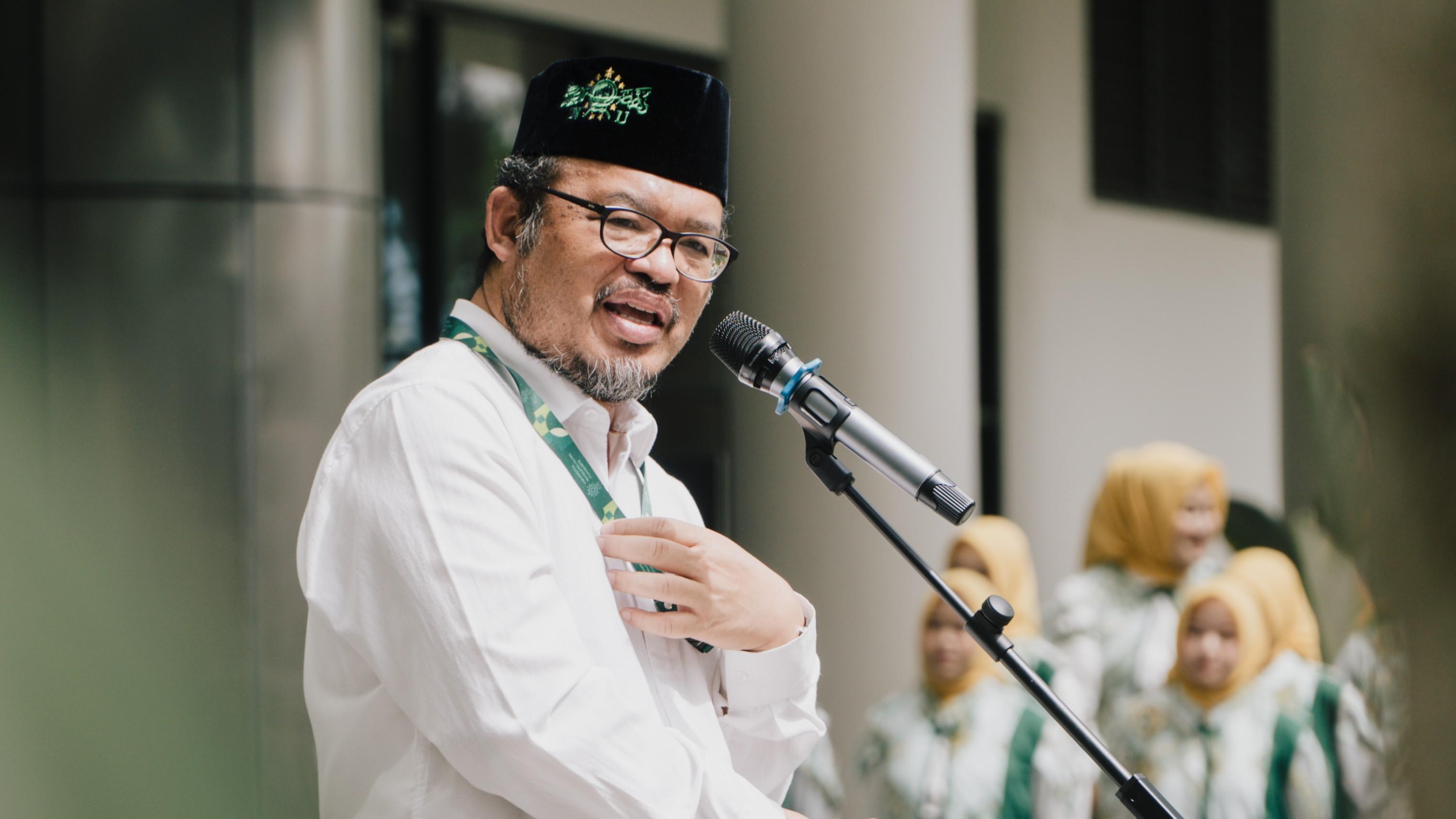
Drawing Inspiration from National Santri Day
Published by Latifatussolikhah, 22 Oct, 2026 | Duration. 12 Minutes
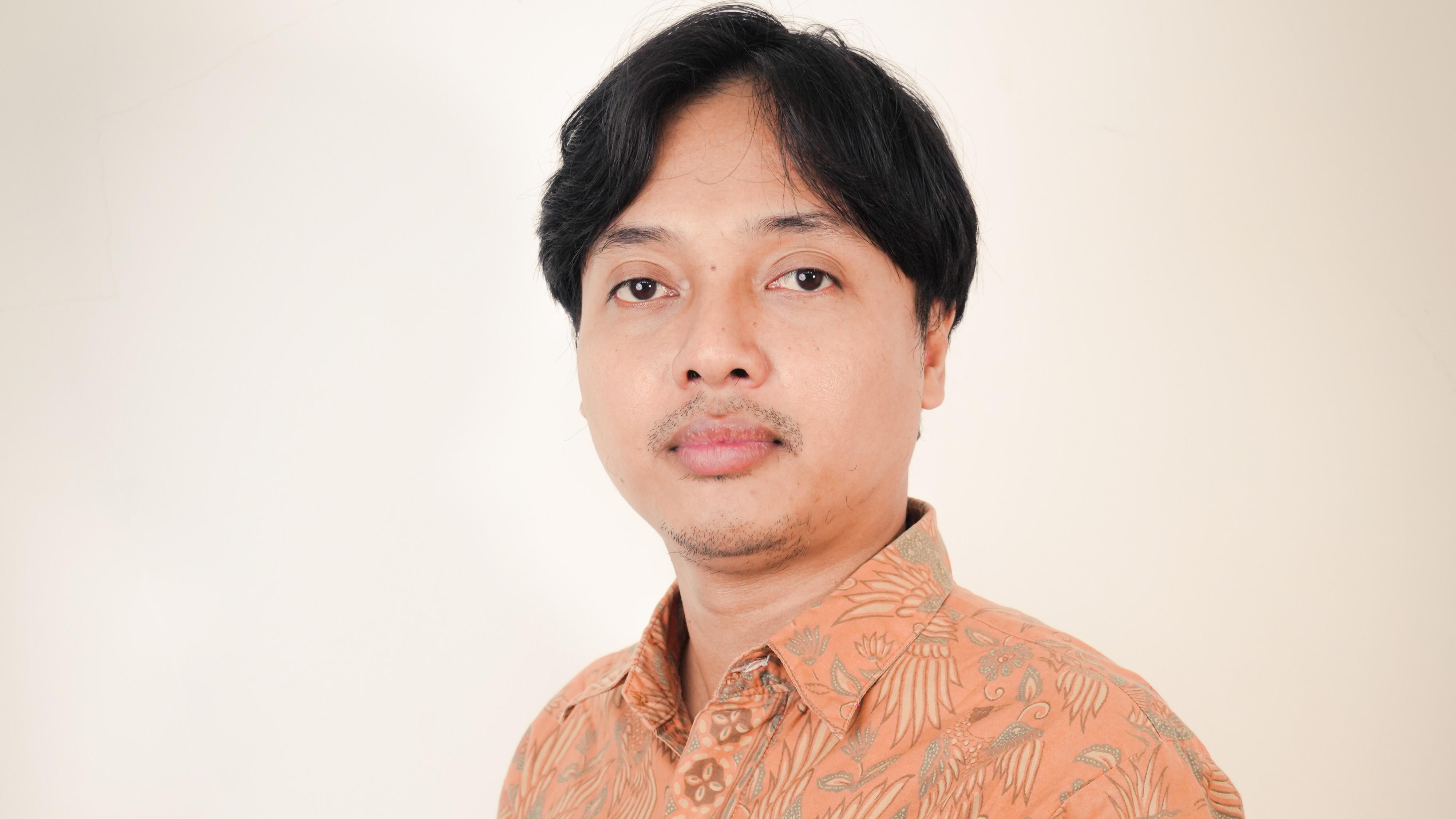
Imagination as a Power Generator: Literature and the Future of Energy
Published by Latifatussolikhah, 9 Oct, 2026 | Duration. 6 Minutes
Popular News
Five PGSD UNU Jogja Alumni Pass Teacher Professional Education Program, Prepare to Become Future Teachers
Published by Latifatussolikhah, 1 Oct, 2026 | Duration. 4 Minutes
UNU Jogja Management Student Muhamad Chaerul Faalih Named 2nd Runner Up Putra Bahari DIY 2026
Published by Latifatussolikhah, 30 Sep, 2026 | Duration. 5 Minutes
UNU Jogja Students Pass P2MW Selection and Join KMI Expo XVII 2026
Published by Latifatussolikhah, 15 Sep, 2026 | Duration. 3 Minutes
Representing Yogyakarta, UNU Jogja Management Student Agung Putra Darmara Wins 2nd Honorable Mention at 2026 Indonesian Duta Genre
Published by Latifatussolikhah, 25 Sep, 2026 | Duration. 6 Minutes