
Reflecting on the Prophet’s Birthday: Becoming Good in the Prophet’s Eyes
Published by Latifatussolikhah, 28 Aug, 2026
Est. 5 Minutes
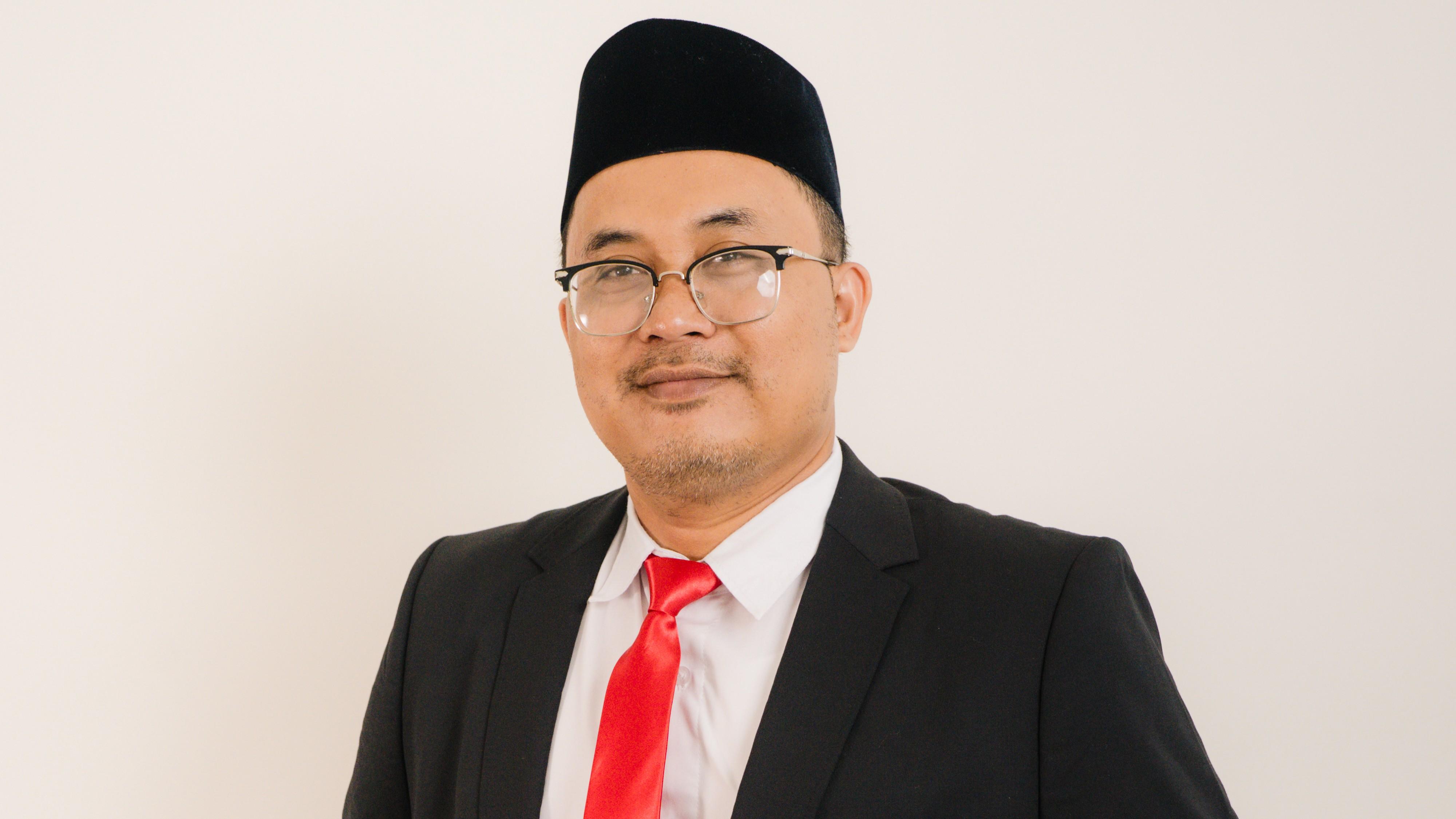
By Ahmad Hujaj Nurrohim, Lc., M.H.
[OPINION] Every time the Maulid of Prophet Muhammad (peace be upon him) is commemorated, we usually return to remembering his birth, struggles, and exemplary character. Yet there is one question worth reflecting on: How did the Prophet view people with all their differences in profession, economic circumstances, and paths in life?
Prophet Muhammad (peace be upon him) was born to a mother, just like other human beings. Yet, he possessed a number of distinctive qualities, particularly in his character and conduct. He was a figure who remained close to the realities of human life. During the Battle of the Trench, for example, the Prophet did not merely instruct his companions to dig the trench; he also helped carry the soil alongside them. Al-Bara’ ibn ‘Azib (may Allah be pleased with him) narrated that he saw the Prophet carrying soil until it covered the whiteness of his abdomen. Interestingly, Anas ibn Malik (may Allah be pleased with him) also narrated that he had never touched silk or anything softer than the palm of the Messenger of Allah (peace be upon him).
Whoever we are, in the eyes of those who like us, we will always appear to be good. Conversely, in the eyes of those who dislike us, no matter how good our actions may be, we can still be perceived as bad. In everyday life, we are often so hungry for validation from others. At times, we even sacrifice our freedom of expression simply to meet other people's judgments and expectations.
Life is sometimes shaped by our choices, but at certain moments, we must live with the limitations we face. Our lives and choices may often appear bad in the eyes of others simply because they do not conform to their wishes or expectations. Yet Prophet Muhammad (peace be upon him) did not narrow the path to goodness to a single profession, social status, or economic condition. As long as it does not contradict Islamic law, everyone has room to become a good person through different paths.
Take professions, for example. Which should one choose: becoming a merchant or a teacher? Being a merchant offers opportunities to accumulate wealth, while being a teacher, particularly in Indonesia, is often associated with a modest income. Yet, in the eyes of Prophet Muhammad (peace be upon him), both can be paths toward goodness. The Prophet himself worked as a merchant and traveled to Syria for trade. At the same time, he also served as a teacher to his companions, teaching them revelation and wisdom while guiding them with sincerity. From this, we learn that dignity is not automatically attached to any particular profession.
The same applies to economic circumstances. Around us, someone who chooses to focus on studying religion while living with limited financial means, or even in poverty, may easily become the subject of ridicule. They may be seen as someone who cares only about the hereafter without contributing to the prosperity of worldly life. Conversely, those who are enthusiastic about pursuing worldly success are often regarded as admirable, especially when they are able to maintain a balance between worldly and spiritual concerns.
Yet the Prophet did not view people through such simple measures. Abu Hurairah, for example, lived in very modest circumstances and was among the Ahl al-Suffah. In a narration recorded by al-Bukhari, the Ahl al-Suffah are described as people who had no family, wealth, or dependable place of support. Abu Hurairah was among the companions who were closely associated with this group.
His modest circumstances did not prevent Abu Hurairah from attaining a distinguished position in Islamic history. The Prophet even prayed that Abu Hurairah and his mother would be loved by the believers. Abu Hurairah later became known as one of the companions who narrated the largest number of hadiths. He may not have possessed great wealth, but he made a significant contribution to preserving and transmitting the Prophet’s legacy of knowledge to later generations.
On the other hand, there was Uthman ibn Affan, who was known as a wealthy companion. The Prophet did not regard Uthman’s wealth as something blameworthy. Instead, that wealth became a means through which Uthman brought benefit to others. In a narration recorded by al-Tirmidhi, Uthman purchased a well and made it available for everyone to use, including the poor and travelers. He also used his wealth to help equip the Jaisy al-‘Usrah during the expedition to Tabuk.
So, which is better: being poor or being wealthy? Certainly, many of us would choose to be wealthy. With wealth, we can meet our needs while also helping others. Yet the example of the Prophet and his companions shows that neither wealth nor poverty is a measure of a person's dignity. What matters more is how a person lives through their circumstances and uses what they have for the sake of goodness.
Ultimately, Maulid is not merely about remembering when the Prophet was born. It is an opportunity to learn once again how he viewed people. The Prophet did not limit the path to goodness to a particular profession, social status, or economic condition. Some serve through knowledge, others through trade, others through their wealth, while some struggle and contribute despite their limitations. All of them have room to become good.
We may not always receive validation from others. Our choices may be considered wrong, our professions may be looked down upon, or our economic circumstances may become a subject of judgment. Yet the Prophet’s example teaches us not to measure human dignity solely by what appears on the surface. What matters most is not simply what we become, but how we become good through what we have and the circumstances we live through.*
About the Author: Ahmad Hujaj Nurrohim, Lc., M.H., is a lecturer in the Interdisciplinary Islamic Studies Program, Faculty of Islamic Studies, Universitas Nahdlatul Ulama Yogyakarta. In addition to teaching, he is also actively involved in various religious activities in the community.
Editor: Latifah
*Editorial Note: This article is the work of the author. All content, views, interpretations, and information presented are the responsibility of the author. The editorial team is not responsible for any views or opinions expressed in the article beyond the editing process undertaken for publication purposes.
Share
Related News
Reflecting on the Meaning of Freedom Through Prayer and Community Togetherness
Published by Latifatussolikhah, 24 Aug, 2026 | Duration. 9 Minutes
Following the Example of Prophet Muhammad, UNU Jogja Encourages Civitas to Strengthen Love and Exemplary Values
Published by Latifatussolikhah, 24 Aug, 2026 | Duration. 3 Minutes
NU and Education
Published by Latifatussolikhah, 21 Aug, 2026 | Duration. 10 Minutes
Popular News
UNU Jogja Students and Alumni Attend Coinfest Asia 2026, Joining Techies from 90 Countries to Shape the Future of Global Technology and Digital Industry
Published by Latifatussolikhah, 26 Aug, 2026 | Duration. 4 Minutes
FREQUENTLY ASKED QUESTIONS (FAQ): BEASISWA TALENTA LESTARI 2026
Published by Intan Agisti Nila Sari, 21 Jul, 2026 | Duration. 9 Minutes
Mutiara Azzahra Tzabitah Zain Ababil, Deaf Student of UNU Jogja's Food Technology Study Program, Wins First Runner-Up at the 2026 Deaf Inter-Club Futsal Tournament
Published by Latifatussolikhah, 7 Aug, 2026 | Duration. 3 Minutes
UNU Jogja PGSD Students Win Second Place in National Children's Songwriting Competition
Published by Latifatussolikhah, 7 Aug, 2026 | Duration. 4 Minutes