
UNU Jogja Agribusiness Program and IPB University Collaborate to Develop an Agrarian Waqf Ecosystem
Published by Latifatussolikhah, 8 Sep, 2026
Est. 4 Minutes
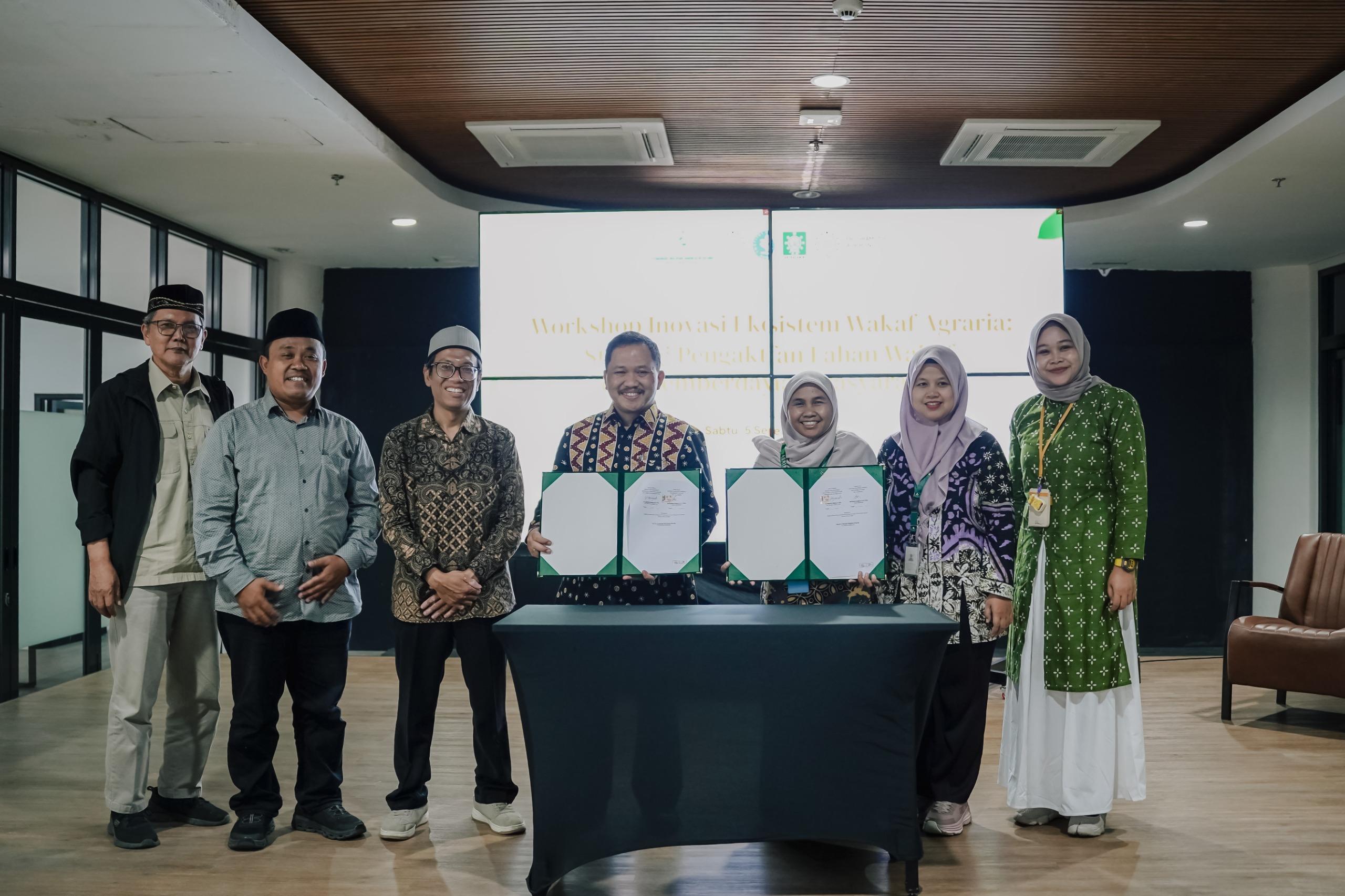
Yogyakarta, Indonesia — The Agribusiness Study Program at Universitas Nahdlatul Ulama Yogyakarta (UNU Jogja) has strengthened its collaboration with the Center for Regional Development Planning and Rural Development Studies (PSP3) at IPB University through a workshop titled “Innovating the Agrarian Waqf Ecosystem: Strategies for Activating Waqf Land and Empowering Communities.” The workshop was held at the UNU Yogyakarta campus in collaboration with the Human Resources Development and Research Institute of Nahdlatul Ulama (Lakpesdam) of the Nahdlatul Ulama Regional Board (PWNU) of Yogyakarta Special Region and the Nahdlatul Ulama Waqf and Agrarian Institution (LWPNU) on Saturday, September 5.
The event was part of the Dosen Pulang Kampung (Dospulkam) program organized by IPB University and served as a collaborative platform for higher education institutions and Nahdlatul Ulama to formulate strategies for developing waqf assets to generate broader economic and social benefits for communities.
The collaboration between UNU Jogja and IPB University was further strengthened through the signing of a Letter of Agreement (LoA) between the Agribusiness Study Program at UNU Jogja and PSP3 IPB University. The agreement provides a foundation for cooperation in education, research, innovation, and community empowerment, particularly in agribusiness development and the productive and sustainable utilization of waqf assets.
Head of the Agribusiness Study Program at UNU Jogja, Nur Saudah Al Arifa D., S.T.P., M.Sc., said that agrarian waqf needs to be developed beyond merely serving as underutilized assets and transformed into an integral part of the community's economic ecosystem.
“Waqf land has the potential to become a source of livelihood and strengthen the community's economy. Therefore, the focus should not only be on how to activate the land, but also on how to create an agribusiness ecosystem that connects land, communities, technology, institutions, financing, and markets,” she said.
She added that the Agribusiness Study Program has a strategic role in developing such an ecosystem through business studies, business model development, commodity potential mapping, institutional strengthening, and community assistance.
The workshop discussed various strategies for developing waqf assets, ranging from land mapping and data collection to legal aspects of land utilization, land-based development models, financing, and the formulation of community empowerment models.
The development approach is tailored to the characteristics of each region. Waqf land in hilly and karst areas, for example, can be developed through agroforestry and forestry. Areas supported by irrigation infrastructure can be directed toward food agriculture, while waqf assets in areas with high levels of economic activity can be developed for trade and service activities.
Mohammad Shohibuddin, Head of the Dosen Pulang Kampung Team at IPB University, explained that asset mapping is an important stage in formulating productive waqf development models. Accurate data is needed to ensure that asset utilization is aligned with physical conditions, management status, economic potential, and community needs.
According to data from PWNU DIY, there are 1,172 waqf land parcels covering approximately 316,488 square meters, or 31.6 hectares, spread across 78 kapanewon and kemantren in five regencies and municipalities in the Special Region of Yogyakarta. Most of these assets are currently used for mosques, prayer rooms, schools, madrasahs, Islamic boarding schools, cemeteries, and other social facilities.
Meanwhile, the utilization of waqf assets specifically for productive business activities remains relatively limited. This condition highlights an opportunity to develop waqf as an instrument for strengthening the community's economy.
As of the workshop, the data collection process had covered 270 land parcels across 12 kapanewon, with a total area of approximately 72,852 square meters. The data collection process is still ongoing and is targeted for completion by the end of 2026.
Dr. Ivanovich Agusta, Head of PSP3 IPB University, expressed his hope that the collaboration with UNU Yogyakarta and PWNU DIY would accelerate the development of waqf models capable of generating economic benefits while strengthening community self-reliance.
“This collaboration is expected to promote the economic self-reliance of NU and Nahdliyin communities through waqf and local economic potential,” he said.
In addition to the LoA between the Agribusiness Study Program at UNU Jogja and PSP3 IPB University, the event also featured the signing of a Memorandum of Understanding (MoU) between UNU Yogyakarta and IPB University, as well as an LoA between PWNU DIY and PSP3 IPB University.
Through this collaboration, the Agribusiness Study Program at UNU Jogja and IPB University are committed to developing an agrarian waqf ecosystem that goes beyond land utilization. The collaboration also focuses on strengthening community capacity, developing productive enterprises, advancing technological innovation, strengthening institutions, and creating sustainable economic value.
The partnership is expected to serve as an initial step toward developing various agrarian waqf innovation models that can be replicated in different regions, while strengthening the contribution of higher education institutions to supporting community economic self-reliance based on local potential.*
Contributor: Nur Saudah Al Arifa D., S.T.P., M.Sc.
Editor: Latifah
Share
Related News
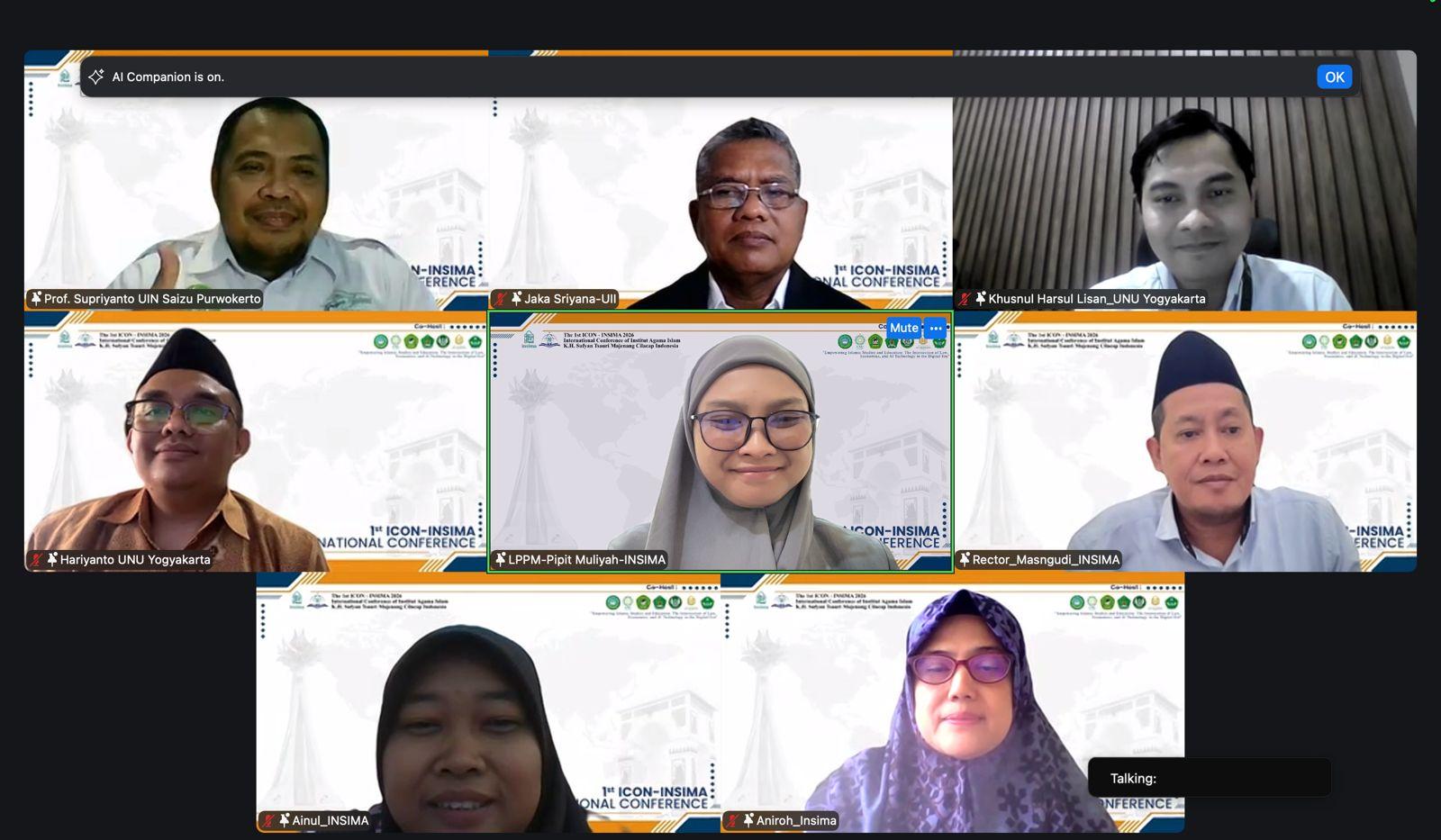
UNU Jogja and INSIMA Hold International Conference, Bringing Together Academics from Asia to Europe
Published by Latifatussolikhah, 7 Sep, 2026 | Duration. 4 Minutes
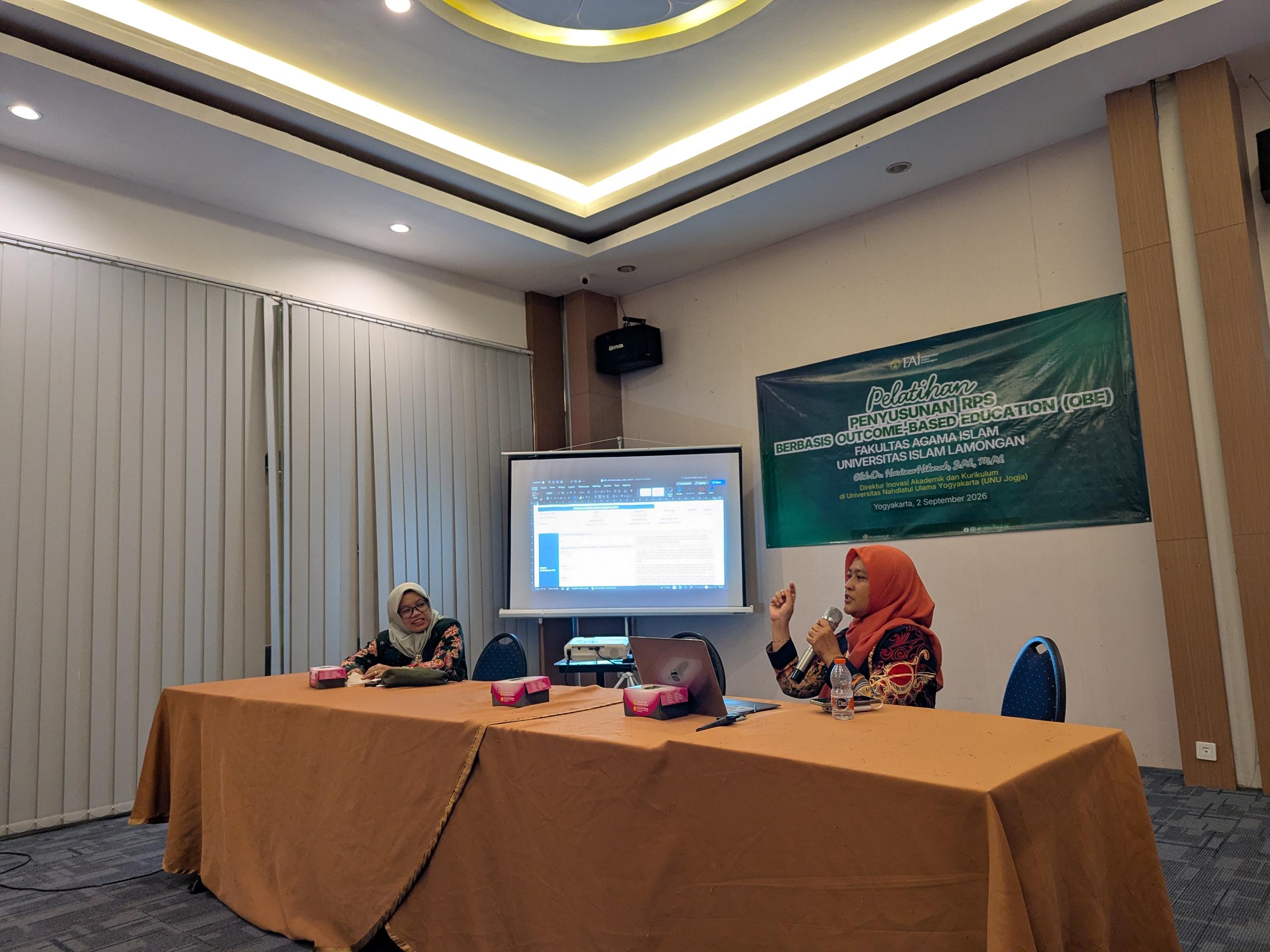
UNU Jogja Lecturer Serves as Resource Person at OBE-Based Semester Learning Plan Training at the Faculty of Islamic Studies, Universitas Islam Lamongan
Published by Latifatussolikhah, 2 Sep, 2026 | Duration. 4 Minutes
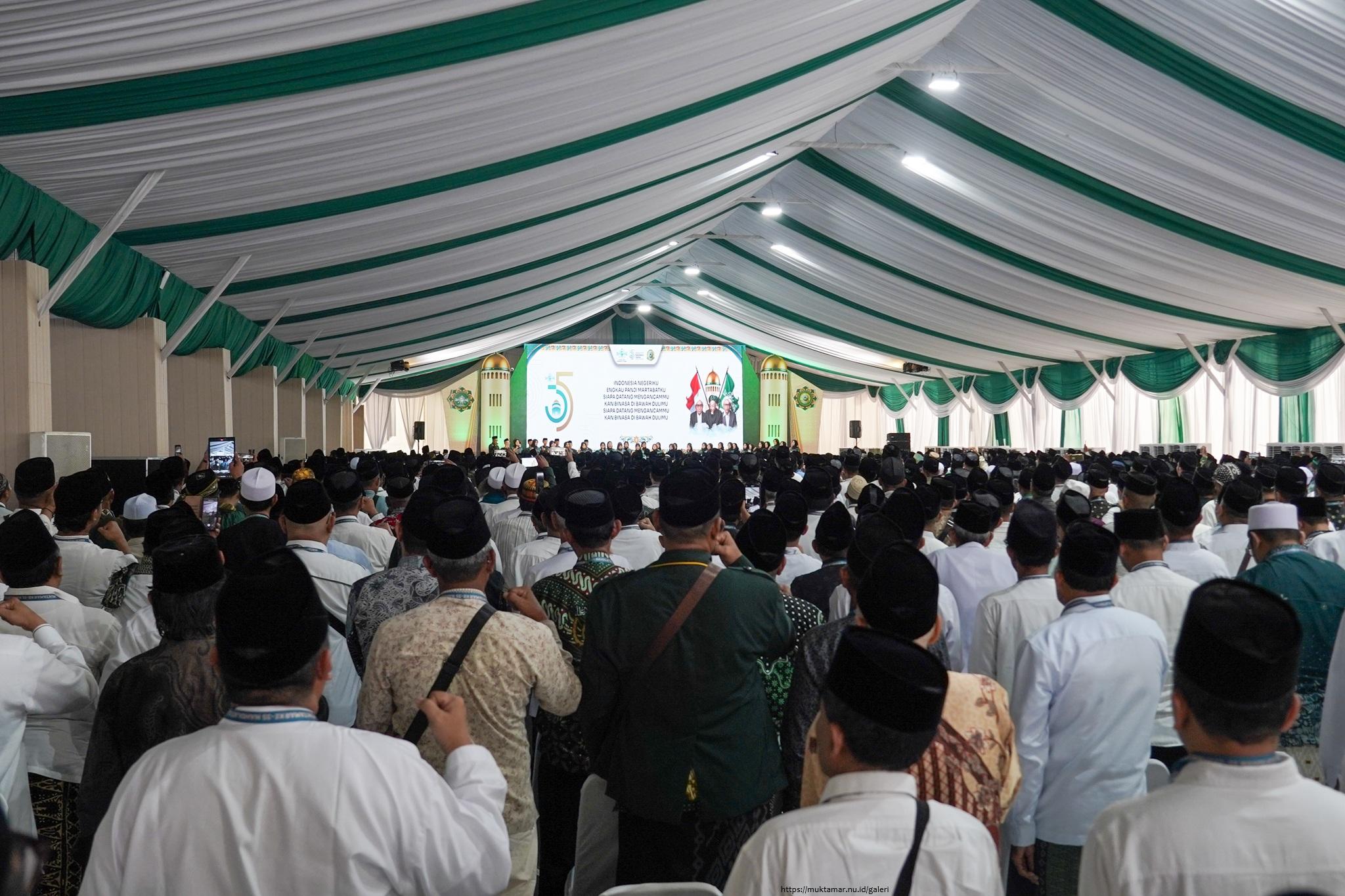
UNU Jogja Enlivens the 35th Nahdlatul Ulama Congress: Champions the Development of NU Higher Education and Rolls Out Scholarship Programs
Published by Latifatussolikhah, 28 Aug, 2026 | Duration. 5 Minutes
Popular News
UNU Jogja Students and Alumni Attend Coinfest Asia 2026, Joining Techies from 90 Countries to Shape the Future of Global Technology and Digital Industry
Published by Latifatussolikhah, 26 Aug, 2026 | Duration. 4 Minutes
FREQUENTLY ASKED QUESTIONS (FAQ): BEASISWA TALENTA LESTARI 2026
Published by Intan Agisti Nila Sari, 21 Jul, 2026 | Duration. 9 Minutes
Mutiara Azzahra Tzabitah Zain Ababil, Deaf Student of UNU Jogja's Food Technology Study Program, Wins First Runner-Up at the 2026 Deaf Inter-Club Futsal Tournament
Published by Latifatussolikhah, 7 Aug, 2026 | Duration. 3 Minutes
UNU Jogja PGSD Students Win Second Place in National Children's Songwriting Competition
Published by Latifatussolikhah, 7 Aug, 2026 | Duration. 4 Minutes