
Artificial Intelligence for the Benefit of the Ummah, Acting Rector of UNU Jogja Emphasizes AI Use in Line with Islamic Principles
Published by Latifatussolikhah, 24 Aug, 2026
Est. 5 Minutes
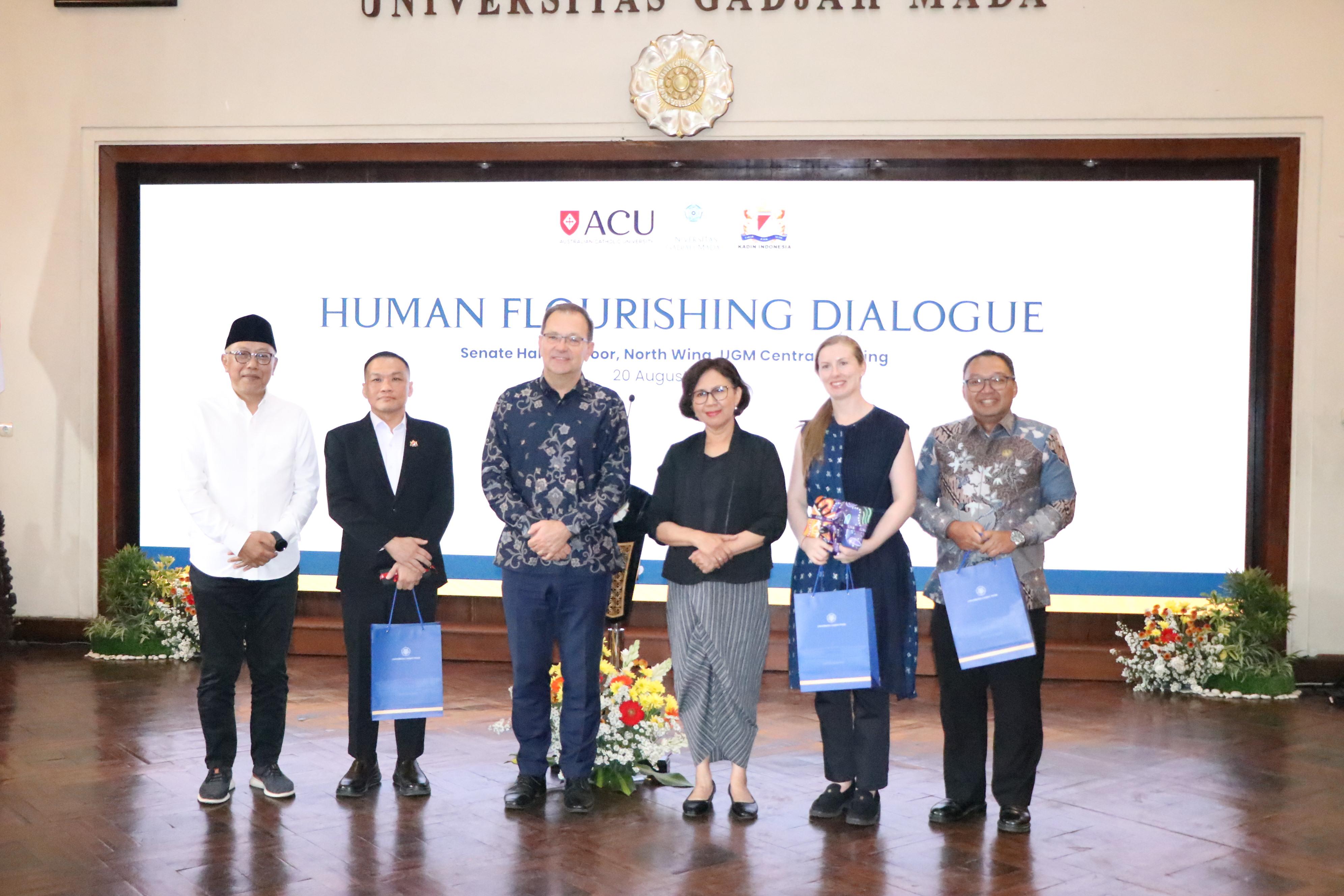
Yogyakarta, Indonesia – Within the tradition of Nahdlatul Ulama (NU), technological development must serve the public good (maslahah), bringing benefits and blessings to all aspects of human life. To this end, NU upholds guidelines and principles for the use of technology that align with human values. These core principles can be effectively applied to the deployment of artificial intelligence (AI), which has expanded rapidly in recent times.
This was conveyed by the Acting Rector of UNU Yogyakarta, Dr. Fahmy Akbar Idries, during the "UGM-ACU Human Flourishing Dialogue & Indonesia-Australia AI Roundtable" held at the Universitas Gadjah Mada (UGM) campus on Thursday, August 20. Organized by UGM and the Australian Catholic University (ACU), the forum brought together academics, government officials, industry leaders, and diverse stakeholders to discuss the development of the Human Flourishing Center alongside the governance, ethics, opportunities, and risks of human-centric AI, aiming to formulate impactful collaborative agendas for the advancement of human flourishing.
“Today, we can accomplish many things easily and swiftly using AI. AI technology has advanced remarkably. However, AI is fundamentally not human and does not possess human wisdom. Therefore, it is our collective duty and responsibility, especially within academia, to guide artificial intelligence with human wisdom, while ensuring that technology elevates rather than diminishes the human spirit,” he explained.
Fahmy noted that the concepts of human flourishing and human-centered AI align closely with the values of Ahlussunnah wal Jama'ah an-Nahdliyyah. Under these principles, human progress is not measured solely by economic metrics or technological advancement, but by public well-being and the balance among material prosperity, spiritual peace, and social harmony.
“Within the NU community, there is a well-known jurisprudential principle (usul fiqh): to preserve the good established traditions while embracing better new innovations to yield greater benefits. This same principle applies to how we utilize AI,” he said.
Furthermore, NU embraces the principles of tawazun (balance) and tawasuth (moderation). According to Fahmy, tawazun establishes ethical boundaries in AI utilization, while tawasuth prevents us from falling into two extremes: either adopting AI blindly and unconditionally or rejecting it altogether.
More specifically, the use of AI to promote human flourishing within the framework of Ahlussunnah wal Jama’ah must uphold human dignity (karamah insaniyyah) and adhere to principles grounded in Maqashid Syariah. These principles include using AI to preserve intellectual capacity (Hifz al-Aql), safeguard human life and well-being (Hifz al-Nafs), promote socio-economic justice (Hifz al-Mal), preserve faith and religious values (Hifz al-Din), and protect future generations (Hifz al-Nasl).
“Artificial intelligence can pose risks if it is not guided by Maqashid Syariah. As a jam’iyyah with more than 140 million sympathizers, NU wants AI development to remain firmly rooted in the principle of putting humanity first,” he stressed.
Various guidelines for using AI to promote human flourishing in accordance with Nahdliyin principles have been explored and discussed at UNU Yogyakarta. For instance, the Faculty of Islamic Studies has developed a perspective on human flourishing grounded in faith, while bridging the Islamic intellectual tradition with the social sciences, humanities, and technology, including the field of AI.
Fahmy therefore hopes that the human flourishing perspective will also serve as a guiding principle for all stakeholders involved in the development of AI. From this perspective, AI developers should continue to regard AI merely as a tool—one that cannot replace the role of human beings.
At the forum, he also outlined several steps that can be taken to prepare a generation that is AI-capable and responsible in its use of the technology. These include integrating AI literacy with ethical, humanistic, and spiritual literacy among young people, as well as ensuring that AI reaches grassroots communities to drive social progress.
“AI can be harnessed to develop smart agriculture, strengthen micro, small, and medium-sized enterprises (MSMEs), and empower pesantren and rural communities,” he said.
UNU Yogyakarta also stands ready to pursue collaborative applied research with UGM and ACU as a model for responsible, human-flourishing-oriented AI implementation. Fahmy noted that this partnership demonstrates how human flourishing serves as a universal aspiration transcending religious and national boundaries.
“UNU Yogyakarta possesses an expansive network spanning NU communities, Islamic boarding schools, scholars, educators, students, and the broader public. This ecosystem serves as a vital bridge to ground the concept of human flourishing across society,” he affirmed.
Vice-Chancellor and President of ACU, Prof. Zlatko Skrbis, emphasized that human flourishing is rooted in social relations, community, and contextual material conditions—as reflected from classical Greek philosophy to the profound sense of togetherness in Indonesian society compared to Western individualist trends. Given the absence of a singular global model, he views social bonds and mutual trust as fundamental to national stability and resilience. The rapid advancement of AI poses existential questions regarding human purpose and agency in an increasingly automated world.
“The core issue is not the technology itself, but the anthropological dimension of technological integration,” he explained.
Rector of UGM, Prof. dr. Ova Emilia, Ph.D., underscored the urgency of positioning AI strictly as a tool to support human judgment, while opening strategic avenues for Indonesia and Australia to co-develop responsible and inclusive AI governance in the region.
“Human-centered AI must serve to enhance human capabilities, not replace human judgment, nor diminish human responsibility,” she emphasized.
For UNU Yogyakarta, this cross-sector collaboration provides a strategic platform to integrate moderate Islamic perspectives into the global discourse on human flourishing and AI ethics. By combining future-oriented sciences with the public good, UNU Yogyakarta reinforces the role of faith-based institutions in ensuring technology remains dedicated to human dignity and broader community empowerment.*
Writer: Arif
Editor: Intan
Share
Related News
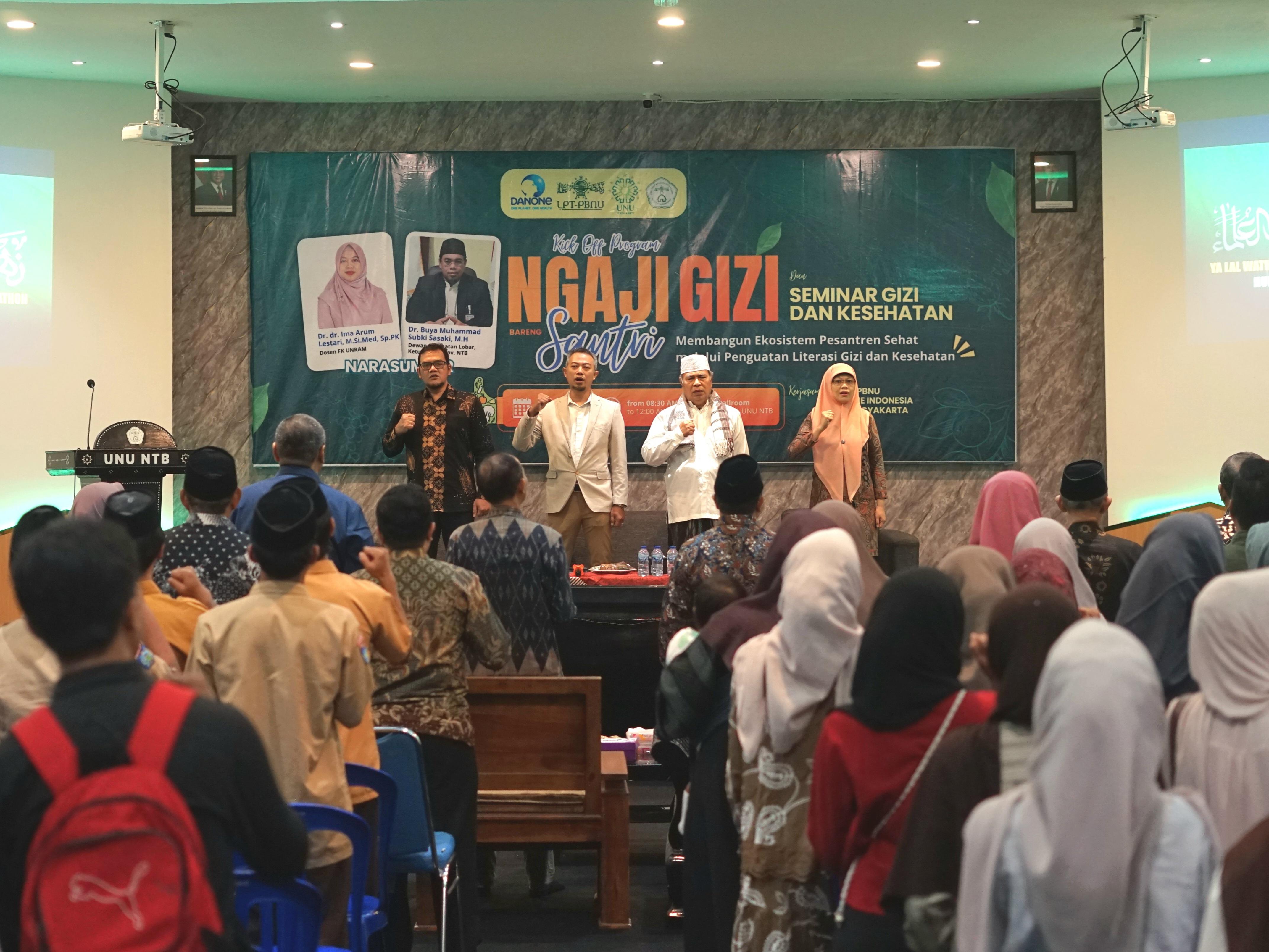
Danone Indonesia, LPTNU, UNU Jogja, and UNU NTB Launch Ngaji Gizi Bareng Santri
Published by Latifatussolikhah, 18 Aug, 2026 | Duration. 4 Minutes
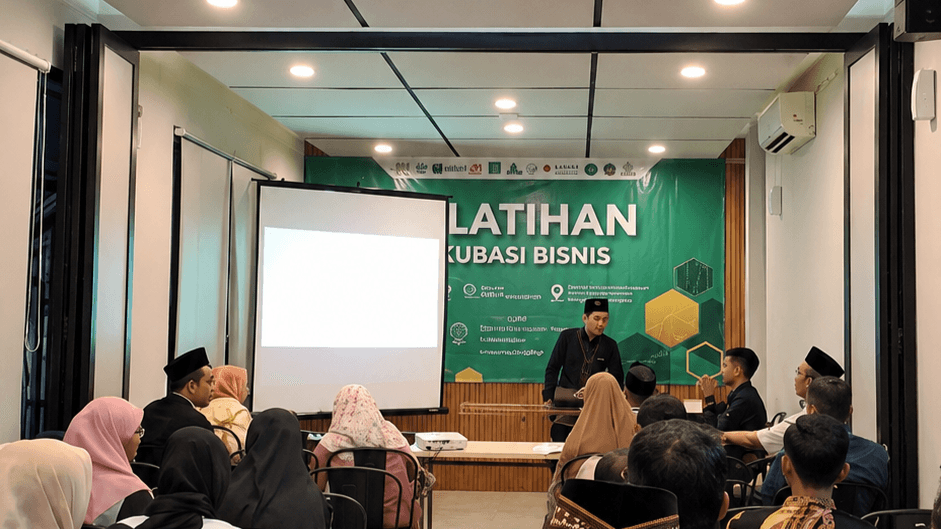
UNU Jogja-LazisNU DIY Business Incubation Training Equips MSMEs with Knowledge of Business Legality and Financing
Published by Latifatussolikhah, 13 Aug, 2026 | Duration. 4 Minutes
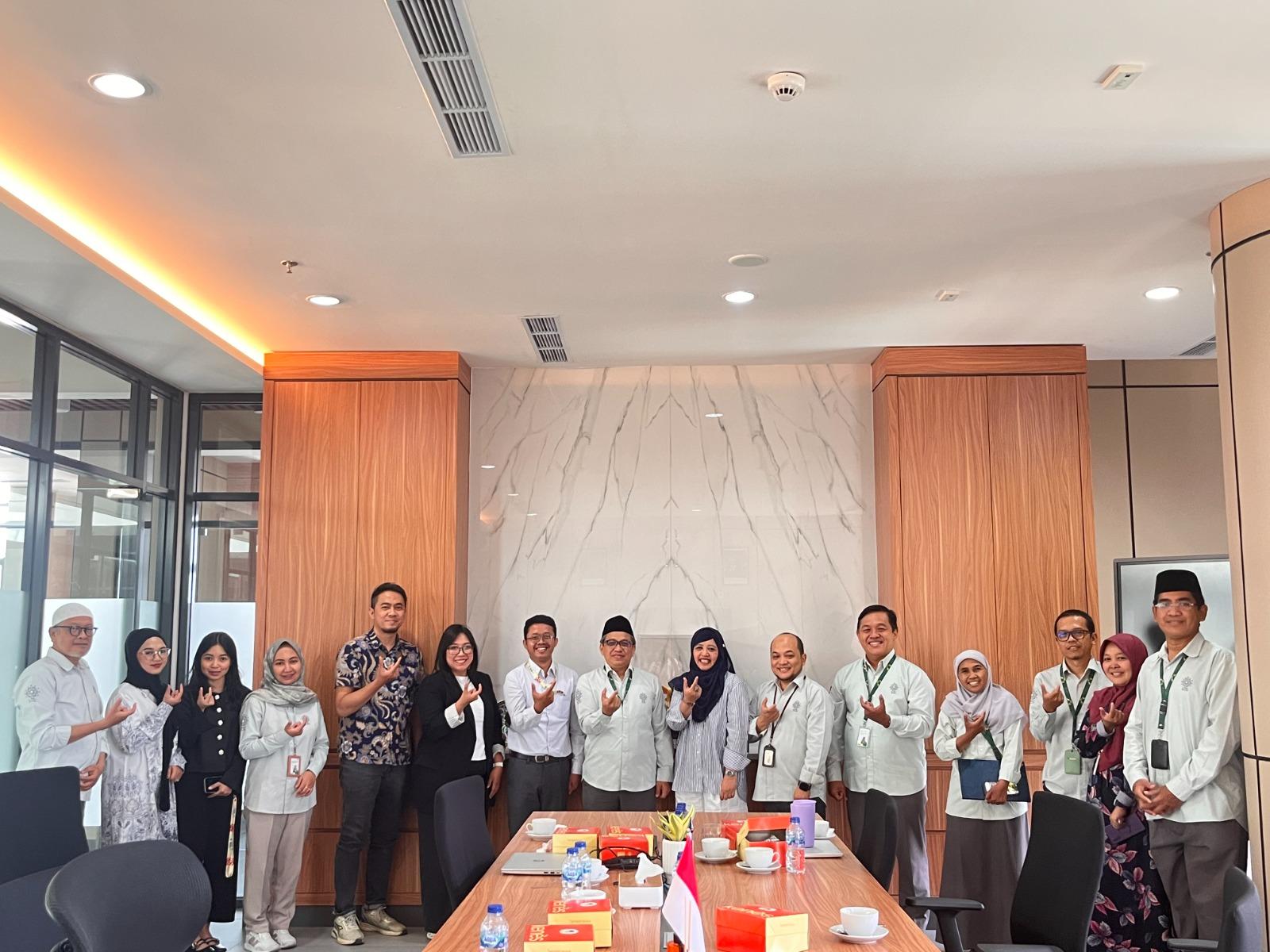
UNU Jogja and BTPN Syariah Explore Community Empowerment Collaboration in Yogyakarta
Published by Latifatussolikhah, 11 Aug, 2026 | Duration. 6 Minutes
Popular News
Mutiara Azzahra Tzabitah Zain Ababil, Deaf Student of UNU Jogja's Food Technology Study Program, Wins First Runner-Up at the 2026 Deaf Inter-Club Futsal Tournament
Published by Latifatussolikhah, 7 Aug, 2026 | Duration. 3 Minutes
UNU Jogja PGSD Students Win Second Place in National Children's Songwriting Competition
Published by Latifatussolikhah, 7 Aug, 2026 | Duration. 4 Minutes
UNU Jogja's JQH IAC Wins First Place in the Men's Category and Overall Champion at the 11th PBNU Barzanji Festival
Published by Latifatussolikhah, 27 Jul, 2026 | Duration. 2 Minutes
FREQUENTLY ASKED QUESTIONS (FAQ): BEASISWA TALENTA LESTARI 2026
Published by Latifatussolikhah, 21 Jul, 2026 | Duration. 9 Minutes