
Reflecting on the Meaning of Freedom Through Prayer and Community Togetherness
Published by Latifatussolikhah, 24 Aug, 2026
Est. 9 Minutes
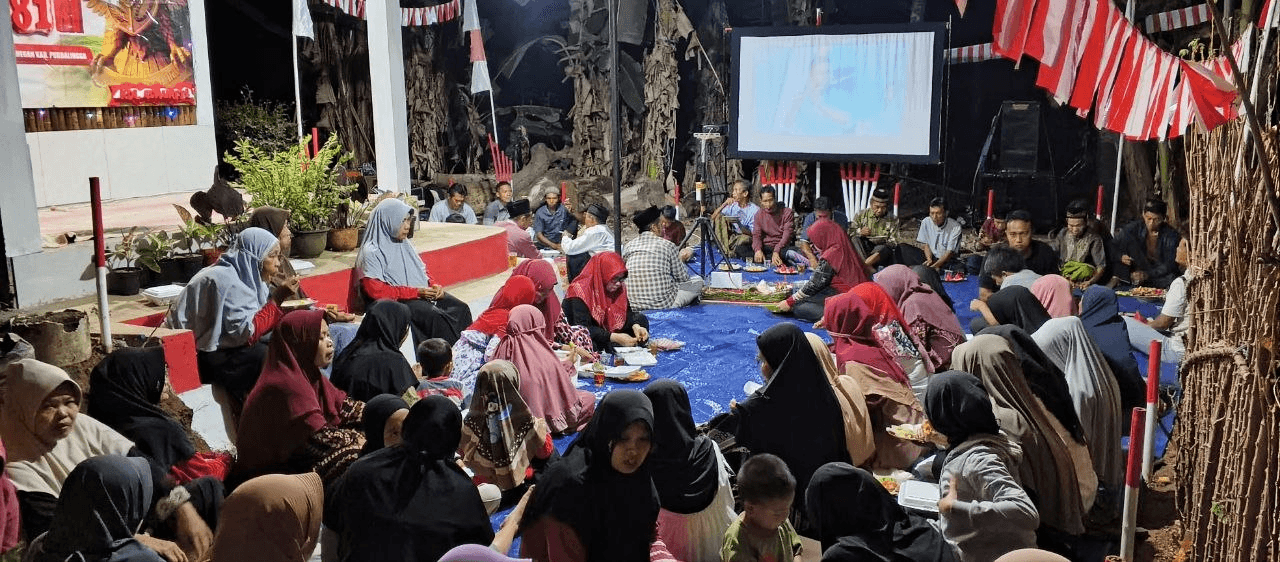
While other villages echoed with the whistles of competitions, cheers from spectators, sack races, and the excitement of panjat pinang, the residents of Kedung Luwuk chose a quieter way to celebrate. They bowed their heads in prayer, cut a traditional tumpeng, and then sat close together in front of a large outdoor movie screen. There were no winners’ podiums that night, but there was a space for people to come together and feel part of the celebration of independence.
The night of August 17, 2026, in Kedung Luwuk Hamlet did not begin with the sound of whistles. There were no children running with marbles balanced on spoons. Nor was there an oil-covered pole standing in the middle of the field. In RT 13, RW 06, Pengadegan Village, Purbalingga Regency, Independence Day was celebrated without a single competition. The choice made the evening feel different—quieter, but by no means less warm.
As evening approached, residents began arriving for the thanksgiving gathering. Some brought their children, while others came after finishing household chores and their daily activities. They sat close together around food that had been prepared since the afternoon. A tumpeng stood at the center of the gathering, surrounded by rice and various side dishes prepared through the collective efforts of the women in the neighborhood. The aroma of home-cooked food mixed with light conversations among neighbors, creating a sense of familiarity that can be difficult to find when everyone is busy with their own affairs.
The tumpeng was more than just food waiting to be shared. In Javanese tradition, its cone-like shape is often associated with the relationship between humans and the Creator—an expression that reminds people that gratitude reaches beyond the celebration itself. The dishes surrounding it, meanwhile, can be seen as representing a life sustained by nature, hard work, and togetherness.
That is why tumpeng is often served during traditional thanksgiving gatherings as an expression of gratitude and a prayer for safety. Beneath its peak, various dishes are placed side by side. Each has a different taste and appearance, yet all are served on the same table. The simple image seems to remind us that village life is also made up of different roles that complement one another.
That meaning was tangible in Kedung Luwuk. The tumpeng would not have been served without the women who cooked, the young people who prepared the venue, and the residents who came together to join the prayer. The celebration was not the work of one person, but the result of many hands each doing their small part.
When the top of the tumpeng was cut, there were no medals or prizes to be handed out. Yet everyone received a portion of the same food. There was no distinction between those who prepared the event and those who came as guests; everyone sat together in a circle of community. This was the essence of guyub rukun, the Javanese spirit of living in harmony. Togetherness was not discussed at length. It was practiced through hands willing to help one another.
When the prayer began, conversations gradually faded. Residents bowed their heads. Children who had been moving around moments earlier came closer and joined the gathering. A night of independence that is often filled with cheers suddenly became solemn. No one was chasing victory. They had come to give thanks, to remember, and to place their hopes in the hands of God for the continued peace and well-being of their community.
Freedom from the Things That Bring Harm
For Jamaluddin Malik, one of the youth community organizers in Kedung Luwuk, independence is not simply about being free from colonial rule. Eighty-one years after the proclamation of independence, the word “freedom” needs to be translated into everyday life: a sense of security, healthy families, stable livelihoods, and the ability to maintain good relationships with others.
“The people of Kedung Luwuk are free from bad things, free from things that bring hardship. Hopefully, we will always be protected and kept away from danger and illness, and be blessed with a livelihood that keeps flowing like banyu mili, while remaining steadfast in carrying out God’s commands,” he said.
In Javanese, banyu mili means flowing water. The expression reflects the hope that sustenance will continue to come. It does not necessarily have to arrive in abundance all at once; what matters is that it keeps flowing, meeting the needs of families and bringing peace of mind. Like water finding its way through soil and rocks, livelihood is hoped to remain uninterrupted even when life brings difficulties.
The prayer reflects a Javanese outlook that does not always measure happiness by material possessions. A good life is also reflected in the ability to maintain balance: living harmoniously with others, staying close to God, and protecting the natural environment where people live.
In Kedung Luwuk, freedom ultimately feels deeply human. It means being able to work in peace, raise children in good health, stay safe from danger, and have neighbors who will come when help is needed. Independence does not live only in speeches and ceremonies. It also exists in the sense of security when a door is closed at night and in the belief that no one has to face hardship alone.
One Screen for the Entire Community
After the thanksgiving gathering, the evening continued with a community movie screening using an outdoor screen known locally as layar tanjleb. In Purbalingga and the wider Banyumas Raya area, this form of entertainment has long been familiar. The simple name carries memories of a time when entertainment was not enjoyed alone, but awaited and watched together in open spaces.
A screen was set up, and children, young people, mothers, and older residents sat facing the same direction. Unlike today's habits, when people can easily become absorbed in their own smartphones, the layar tanjleb brought everyone's attention together around a single movie.
For older residents, the layar tanjleb may bring back memories of traveling entertainment from the past. For children, it offers a different experience. They are not only following the story on screen, but also experiencing the joy of being part of a village gathering.
Outdoor film screenings are also deeply rooted in Purbalingga. The region has a film tradition that has grown beyond conventional theaters and into villages. The Purbalingga Film Festival has made traveling layar tanjleb screenings one of its notable programs. In 2024, screenings were held at 35 village and urban-village locations across the Banyumas Raya area. The tradition shows that films do not always have to remain inside theaters. They can be brought into neighborhoods and become part of the wider community.
Beyond entertainment, such activities also bring residents together and create opportunities for local micro, small, and medium enterprises. Food and beverage vendors can benefit from the crowds, while residents gain access to affordable and accessible entertainment. The layar tanjleb on Independence Day in Kedung Luwuk was therefore more than a way to pass the time after the prayer. It continued Purbalingga's tradition of bringing films out of theaters and closer to village communities.
No Winners, No Losers on This Independence Night
Every community has its own way of expressing love for Indonesia. Some celebrate through competitions, large parades, or performances watched by thousands. Kedung Luwuk chose to bow its head in prayer. The choice was neither more festive nor more modest. It simply grew from the needs and character of its own community.
In Tangerang, Banten, thousands of residents created ogoh-ogoh, replicas of tanks, armored vehicles, and scenes depicting the struggle for independence. They also paraded an 81-meter-long Indonesian flag for approximately 17 kilometers. The tradition became a stage for creativity and community pride. There, independence took shape through footsteps, colorful creations, and the energy of people filling the streets.
At Lebak Bulus Terminal in Jakarta, bus company workers transformed the traditional tug-of-war into a competition to pull and push an intercity bus. Each team consisted of 15 people who worked together to move the heavy vehicle. The game tested not only physical strength but also teamwork. After all, a vehicle that heavy would not move if everyone pulled in a different rhythm.
Meanwhile, foreign tourists at Legian Beach in Bali joined local residents in cracker-eating contests, sack races, and tug-of-war. Traditional village games moved to the beach, bringing together people from different countries.
The absence of competitions did not mean the celebration lacked joy. The joy simply took a different form. It appeared when the food prepared by the women was shared together, when young people helped prepare the event, and when children sat in the same row as their parents in front of the same screen. At a time when modern life can increasingly separate people through their individual routines, that night gave residents a chance to see and greet one another again.
The night grew late. The tumpeng had been shared, while images continued to move across the screen. Residents remained seated side by side, enjoying the final hours of Independence Day in simple warmth.
There was no announcement of a winner to wait for. Yet everyone took home something that might remain in their memories longer: the feeling that they had a village, and people in it who could be regarded as an extended family.
Perhaps true freedom begins with simple things: living without fear, having neighbors who look after one another, and being able to return home with a peaceful heart.
In Kedung Luwuk, freedom was not contested in a competition arena. It was nurtured through prayer, food shared equally, and a single screen that brought everyone's gaze together.
So that when the flag is raised again the following August, everyone can truly say: we have lived as free people.*
Contributor: Nofita Nur Safitri, a 2022 student of the Elementary School Teacher Education (PGSD) Study Program at UNU Jogja. She has been actively writing since 2017, beginning her journey as a journalist with Indonesian Scout Journalist. She has more than seven years of experience in writing, has authored three literary books, participated in around 20 national-level poetry competitions, and contributed articles to the Purbalingga Regency Scout media. She is currently implementing the GerakDampak Academy social action program by the Indika Foundation.
Editor: Latifah
*Editorial Note: This article is contributed by an external writer. All content, views, interpretations, and information presented are the responsibility of the author. The editorial team is not responsible for any opinions or views expressed in the article, except for editorial adjustments made for publication purposes.
Share
Related News
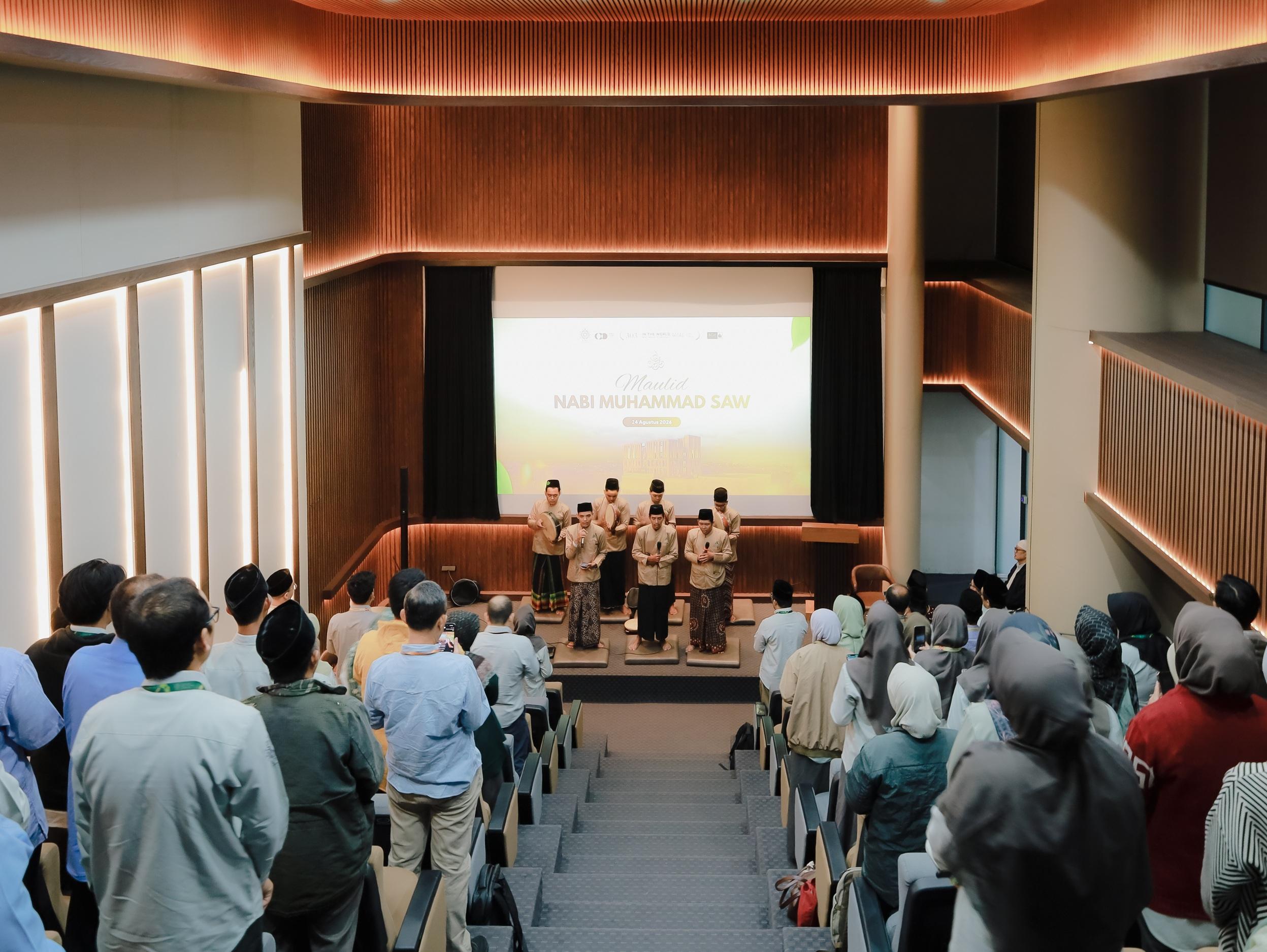
Following the Example of Prophet Muhammad, UNU Jogja Encourages Civitas to Strengthen Love and Exemplary Values
Published by Latifatussolikhah, 24 Aug, 2026 | Duration. 3 Minutes
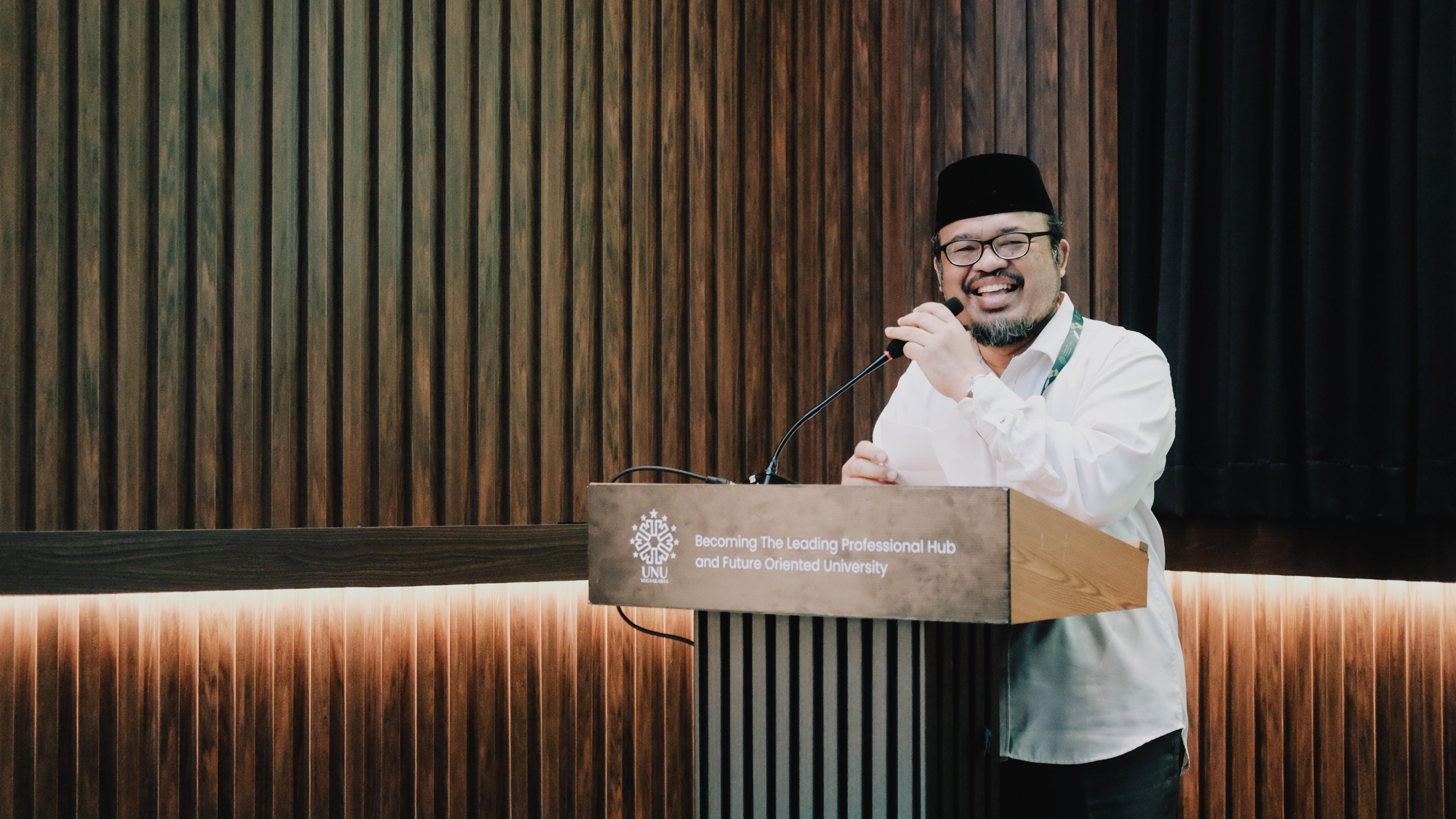
NU and Education
Published by Latifatussolikhah, 21 Aug, 2026 | Duration. 10 Minutes
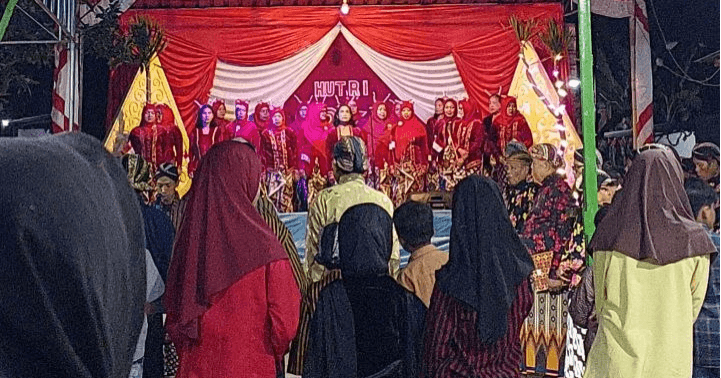
After the Tahlil, Kaliabu Kidul Residents Celebrate Independence with a Karaoke Contest
Published by Latifatussolikhah, 20 Aug, 2026 | Duration. 9 Minutes
Popular News
Mutiara Azzahra Tzabitah Zain Ababil, Deaf Student of UNU Jogja's Food Technology Study Program, Wins First Runner-Up at the 2026 Deaf Inter-Club Futsal Tournament
Published by Latifatussolikhah, 7 Aug, 2026 | Duration. 3 Minutes
UNU Jogja PGSD Students Win Second Place in National Children's Songwriting Competition
Published by Latifatussolikhah, 7 Aug, 2026 | Duration. 4 Minutes
UNU Jogja's JQH IAC Wins First Place in the Men's Category and Overall Champion at the 11th PBNU Barzanji Festival
Published by Latifatussolikhah, 27 Jul, 2026 | Duration. 2 Minutes
FREQUENTLY ASKED QUESTIONS (FAQ): BEASISWA TALENTA LESTARI 2026
Published by Latifatussolikhah, 21 Jul, 2026 | Duration. 9 Minutes