Breaking into Global Academia: Master’s and PhD Scholarship Opportunities Through Inter-University Partnerships
Published by Latifatussolikhah, 30 Oct, 2026
Est. 11 Minutes
Student Mobility, Joint Degrees, and Research Collaboration as Pathways to Global Education
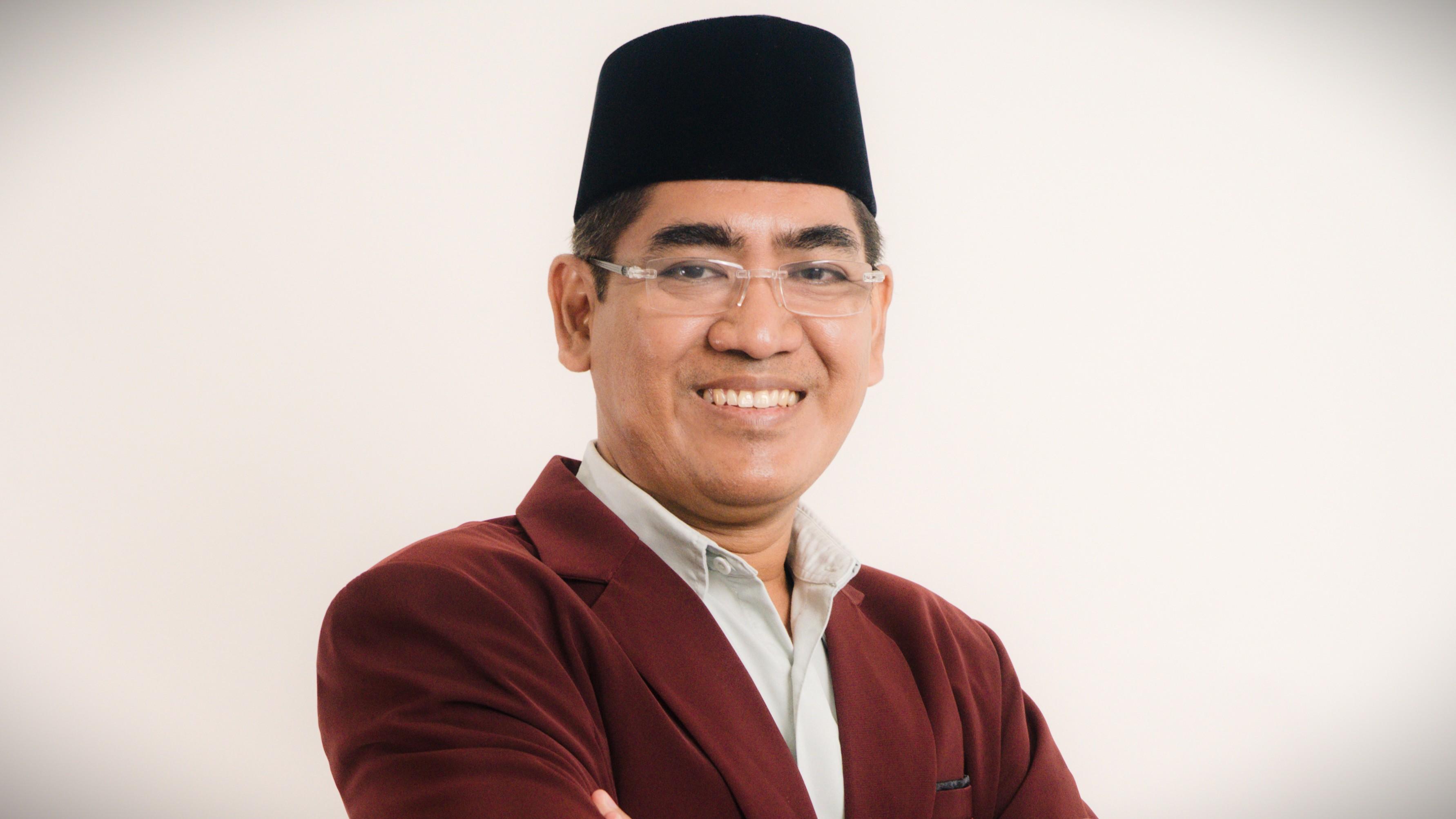
By Yana Hendriana, S.T., M.Eng., Ph.D.
[OPINION] In an increasingly competitive global environment, pursuing a Master’s degree or a Doctor of Philosophy (PhD) abroad is no longer merely a dream for students, lecturers, and university graduates in Indonesia. Various international collaboration programs offer opportunities to gain cross-border academic experience, develop research competencies, expand professional networks, and secure financial support for education through scholarship schemes.
One pathway worth exploring is international university partnerships. Through these partnerships, students and prospective researchers can access student mobility programs, student exchanges, dual degrees, joint degrees, and collaborative research opportunities with partner universities in various countries.
These opportunities are increasingly relevant for Indonesia’s younger generation, who seek to enhance their academic qualifications while contributing to the advancement of science, technology, and national development.
Inter-University Partnerships: A Gateway to International Education
Inter-university partnerships involve academic collaboration between two or more higher education institutions. Such partnerships may include student and faculty exchanges, joint curriculum development, collaborative research, scientific publications, dual-degree programs, and jointly delivered postgraduate education.
In practice, students do not always have to begin their international academic journey by applying independently to a foreign university. They can also take advantage of international programs facilitated by their home institutions through cooperation agreements, such as a Memorandum of Understanding (MoU), and more specific implementation agreements.
However, it is important to understand that an MoU does not automatically entitle students to scholarships. Such opportunities depend on the agreement’s provisions, whether the program is actively running, participant quotas, selection procedures, and funding availability.
Students should therefore actively seek information from their universities’ international offices, faculties, study programs, lecturers, and partnership coordinators.
Understanding Student Mobility and Its Opportunities for Master’s and PhD Students
Student mobility refers to the movement of students from their home institution to a partner university to participate in academic activities for a specified period. These activities may include coursework, research, academic internships, thesis or dissertation preparation, and other learning activities. Examples of initiatives implemented at several Malaysian universities include programs at Universiti Teknikal Malaysia Melaka (UTeM) and Universiti Teknologi Malaysia (UTM).
Student mobility programs generally take several forms.
First, student exchange programs allow students to attend classes at a partner university for one semester or another specified period. Academic credits may be recognized through a credit-transfer mechanism agreed upon by the two institutions.
Second, research mobility enables students, particularly at the Master’s and PhD levels, to conduct research in the laboratories or research centers of partner universities. This pathway is especially attractive to students writing theses or dissertations who need facilities, expertise, or research environments that are not sufficiently available at their home institutions.
Third, joint-degree and double-degree programs are designed through academic partnerships that enable students to earn either a jointly awarded degree or two separate degrees, subject to the program’s requirements. The duration of study, study locations, credit recognition, and graduation requirements are determined by the participating institutions.
Fourth, doctoral cotutelle or joint doctoral supervision allows PhD students, under certain arrangements, to receive supervision from advisors at two different universities. Research arrangements and degree recognition depend on the applicable agreement.
An important point to emphasize is that student mobility does not necessarily mean a fully funded scholarship. Some programs offer only tuition waivers or mobility grants, while travel, accommodation, and living expenses may still need to be covered by participants. Students should therefore carefully review the funding components before applying.
Five Scholarship Pathways Worth Exploring
Prospective Master’s and PhD students can develop their funding strategies by exploring the following options.
1. Scholarships Through University Partnership Programs
Universities sometimes provide financial support to students participating in international programs established through agreements with partner institutions. Support may take the form of travel grants, tuition waivers, research grants, or funding from collaborative projects.
Students should ask whether their university partnerships include specific funding schemes, who is eligible, and how the selection process works.
2. Erasmus Mundus Joint Masters
The European Union’s Erasmus Mundus Joint Masters program is one example of a Master’s-level pathway that brings together several international higher education institutions. It allows students to study at multiple universities within a multinational consortium.
Full scholarships are available to highly ranked candidates in programs that offer such funding. Depending on the program’s terms, support may cover participation costs and contributions toward travel, visa expenses, and living costs.
Official information is available at: Erasmus Mundus Joint Masters.
3. LPDP Scholarships and International Partnership Programs
For Indonesian citizens, the Indonesia Endowment Fund for Education (LPDP) is an important source of funding to explore. In addition to specific scholarship pathways for Master’s and doctoral studies, LPDP also offers partnership or co-funding schemes involving universities and funding partners.
In 2026, LPDP’s official information lists partnership programs for selected fields and international institutions, including Master’s and doctoral programs. Program availability, destination universities, fields of study, and application periods may vary across selection rounds.
Prospective applicants should check the latest selection status, including application schedules, eligibility requirements, and the list of programs available for the relevant intake.
Official information: LPDP Scholarship Policies.
4. Australia Awards and International Funding Partnerships
Australia Awards offers educational and capacity-building opportunities for Indonesian citizens through programs specified for each intake period. In addition to the Australia Awards pathway, funding partnerships between LPDP and Australia Awards are available for certain programs.
Applicants should pay attention to the levels of study offered, priority fields, English-language requirements, supporting documents, and selection criteria. They should also check whether post-study service or other obligations apply.
Official information: Australia Awards—Indonesia Intake Information.
5. University Scholarships and Doctoral Research Grants
Many overseas universities offer internal scholarships, funded doctoral positions, or research support through projects led by faculty members and research groups.
For PhD study, one strategy is to identify prospective supervisors, read their publications, align research interests, and inquire about funded doctoral positions. Funding may come from universities, research projects, governments, or scholarship providers.
However, the funding status of each position must be verified individually. Admission to a doctoral program does not automatically mean that a student will receive a scholarship.
The Pathway to an International Scholarship
In general, the route from inter-university partnerships to international study can be outlined as follows.
Stage 1 – Identify opportunities. Students seek information about active international partnerships at their home institutions, including partner universities, available study programs, and research fields.
Stage 2 – Map programs and funding. Candidates match their preferred programs with relevant funding sources, such as university scholarships, LPDP, Erasmus Mundus, Australia Awards, or other funding opportunities.
Stage 3 – Prepare and apply. Candidates prepare academic transcripts, diplomas, language certificates, recommendation letters, academic CVs, motivation essays, and research proposals where required.
Stage 4 – Secure admission and confirm funding. Candidates undergo the university and scholarship selection processes according to each program’s procedures. Academic admission and funding status should be confirmed separately when they involve different selection processes.
Stage 5 – Study and collaborate internationally. Students participate in academic activities, build networks, develop research, and fulfill all program requirements.
Stage 6 – Apply the outcomes of study. Knowledge, experience, and international networks are used to strengthen universities, industries, research institutions, and communities in Indonesia.
The process can be summarized as follows:
Inter-University Partnerships → Program Identification → Academic and Scholarship Selection → Overseas Study or Research → Global Collaboration → Contributions to Indonesia
This is a general outline. The actual sequence and requirements may vary depending on the type of program and the institutions involved.
Strategies to Improve Your Chances of Securing a Master’s or PhD Scholarship
Winning an international scholarship requires careful preparation. Candidates need more than the desire to study abroad; they must demonstrate academic readiness, clear objectives, and the potential to make meaningful contributions.
First, build an academic track record early. Students can improve their academic performance, participate in faculty-led research, write scientific articles, attend conferences, and develop a portfolio relevant to their fields of interest.
Second, improve foreign-language proficiency. TOEFL, IELTS, or other language-test requirements depend on the university and scholarship provider. Candidates should prepare for these tests well in advance so they have time to improve their scores if necessary.
Third, develop a specific study plan. For a Master’s degree, explain why the program is the right choice, how its curriculum aligns with your interests, and how the degree relates to your professional goals. For a PhD, the research proposal should identify a clear academic problem, establish the study’s relevance, propose feasible methods, and demonstrate alignment with the prospective supervisor’s expertise.
Fourth, establish professional academic communication. PhD applicants can contact prospective supervisors with concise, focused messages, attaching an academic CV and a summary of their research interests while asking about research alignment and funding opportunities.
Fifth, understand all administrative requirements. Check document validity periods, legalization or translation requirements, application deadlines, and any specific conditions imposed by individual scholarship providers.
Sixth, prepare alternative funding options. Do not rely on a single scholarship. Candidates can compare several suitable programs, provided they meet the eligibility criteria and comply with rules concerning applications and concurrent funding.
The Strategic Role of Indonesian Universities
Indonesian universities also play an important role in expanding students’ access to global educational opportunities. International partnerships should not end with the signing of an MoU or ceremonial visits; they should be translated into sustainable academic programs.
Universities can strengthen their contribution by establishing scholarship information services, maintaining updated lists of active partner universities, organizing training in essay and research proposal writing, facilitating foreign-language preparation, and providing mentoring systems for prospective scholarship recipients.
In addition, credit recognition for student mobility, academic supervision, transparent selection processes, and accessible funding information should be managed effectively. This would help ensure that international opportunities are not limited to students who already have extensive access to information, but are also accessible to students from diverse backgrounds.
Ultimately, high-quality international collaboration is not simply about sending students overseas. It is about building institutional capacity, improving research quality, and strengthening long-term academic relationships.
Global Opportunities Begin on Your Own Campus
Opportunities to pursue Master’s and PhD degrees abroad through inter-university partnerships are strategic pathways worth preparing for early. Student mobility, joint-degree and double-degree programs, and research collaborations can provide access to international experience, while scholarships from governments, universities, and donor institutions can help reduce financial barriers.
However, success does not come simply from discovering an attractive program. Prospective applicants need to understand the requirements, verify funding availability, prepare the necessary documents, and demonstrate clear and measurable academic goals.
For students, the first step can be as simple as visiting their university’s international office, discussing opportunities with academic advisors, and exploring the official websites of scholarship providers. For lecturers and university administrators, the key is to transform international partnerships into concrete programs that benefit students and advance knowledge.
Global education is not only about studying abroad. It is also about bringing knowledge home, building collaborations, and creating a positive impact for the nation.
Important Information
Before applying, verify the latest requirements, schedules, quotas, and funding coverage through the official websites of the relevant providers. Not all student mobility programs offer scholarships, and not all scholarships cover the full cost of study.
Official References
- Erasmus Mundus Joint Masters
- LPDP
- Australia Awards Indonesia
- Ministry of Higher Education, Science, and Technology of Indonesia
[]
About the Author : Yana Hendriana, S.T., M.Eng., Ph.D., is the Head of the Informatics Study Program at Universitas Nahdlatul Ulama Yogyakarta. He is also an active member of the Yogyakarta City Branch of the Indonesian Engineers Association (PII).
Editor: Latifah
Editorial Note: This article was written by the author. All content, views, interpretations, and information presented are the author’s responsibility. The editorial team is not responsible for the views or opinions expressed in this article, apart from the editing undertaken for publication purposes.
Share
Related News
The Fire That Does Not Start Suddenly: Forest and Land Fires, El Niño, and the Ignorance Hypothesis
Published by Latifatussolikhah, 21 Oct, 2026 | Duration. 5 Minutes
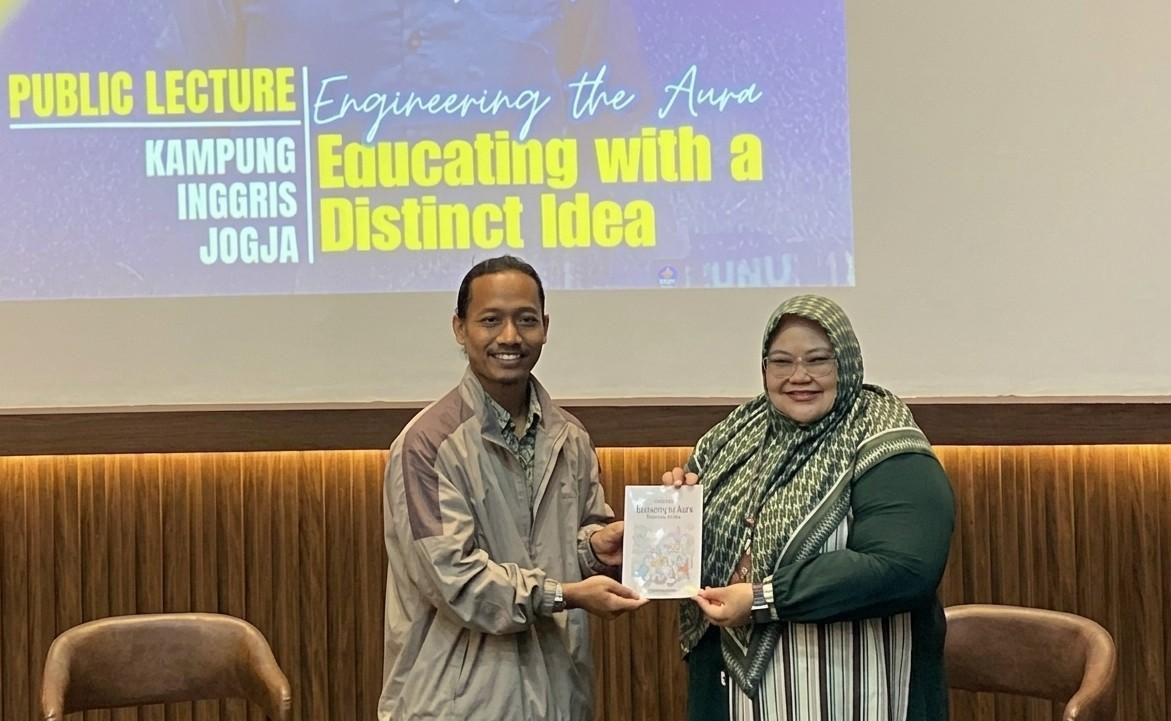
PBI UNU Jogja Partners with Kampung Inggris Jogja to Expand Students’ Career Opportunities
Published by Latifatussolikhah, 20 Oct, 2026 | Duration. 3 Minutes
UNU Jogja Maps New Students’ Qur’an Reading Skills to Strengthen Student Guidance
Published by Latifatussolikhah, 16 Oct, 2026 | Duration. 3 Minutes
Popular News
UNU Jogja Students Represent Indonesia at Islamic World Cultural Dialogue Forum in Russia
Published by Latifatussolikhah, 26 Oct, 2026 | Duration. 3 Minutes
Five PGSD UNU Jogja Alumni Pass Teacher Professional Education Program, Prepare to Become Future Teachers
Published by Latifatussolikhah, 1 Oct, 2026 | Duration. 4 Minutes
UNU Jogja Management Student Muhamad Chaerul Faalih Named 2nd Runner Up Putra Bahari DIY 2026
Published by Latifatussolikhah, 30 Sep, 2026 | Duration. 5 Minutes
UNU Jogja Students Pass P2MW Selection and Join KMI Expo XVII 2026
Published by Latifatussolikhah, 15 Sep, 2026 | Duration. 3 Minutes