
UNU Jogja Agribusiness Program Head Encourages Wonosobo Village Chief Candidates to Build Empowered Villages through Agribusiness and Tourism
Published by Latifatussolikhah, 5 Oct, 2026
Est. 8 Minutes
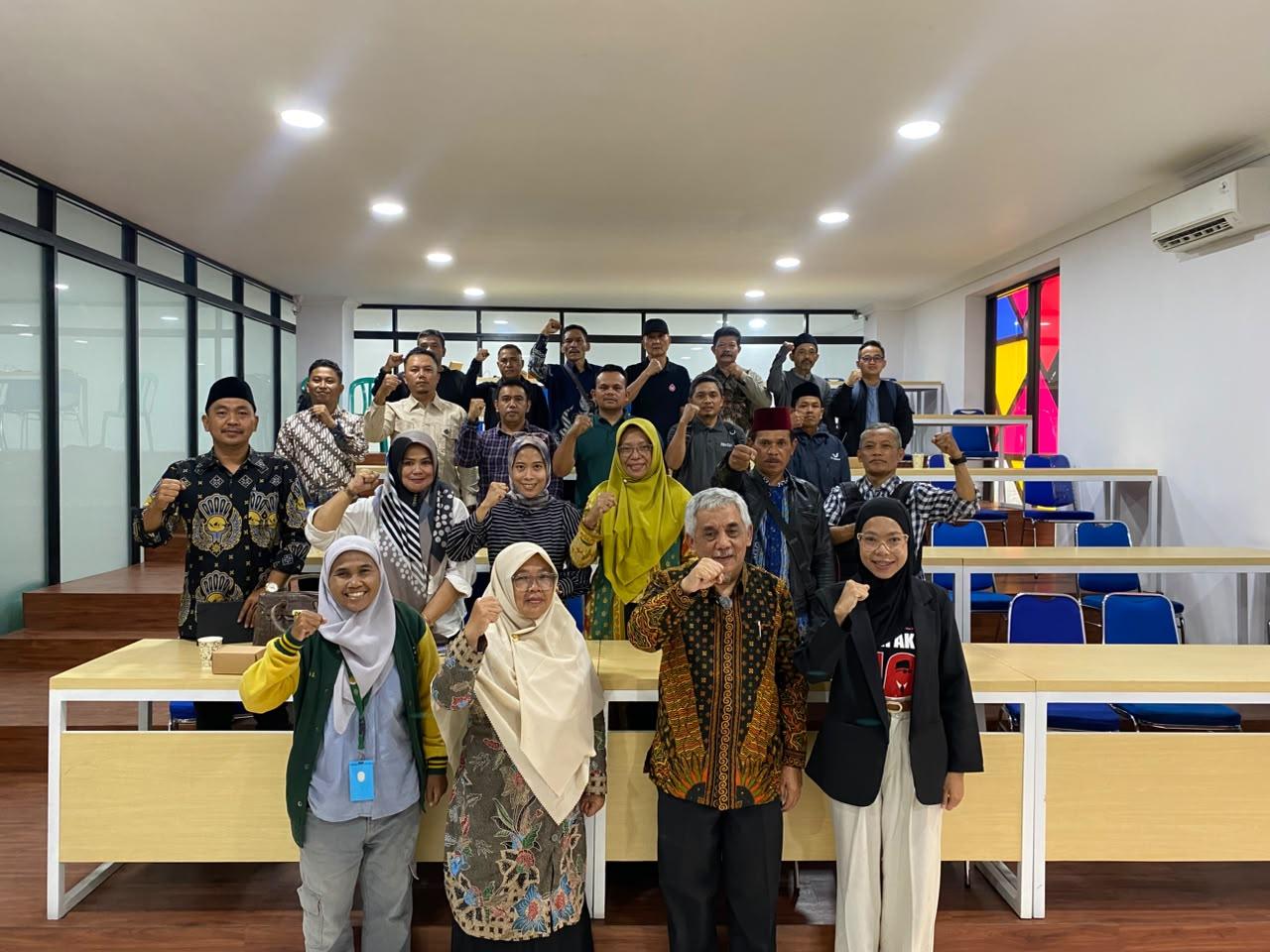
Wonosobo, Indonesia — Ahead of the 2026 simultaneous Village Head Elections (Pilkades), prospective village heads need more than an understanding of government administration. The ability to identify local potential, develop the community’s economy, build partnerships, and create added value from local resources is also essential in preparing effective village leadership.
This was among the key topics discussed during the Village Leaders School initiated by the Wonosobo Regency KORPRI on Saturday, September 26 at the former People’s School (BLK) classroom.
During the program, Head of the Agribusiness Study Program at Universitas Nahdlatul Ulama Yogyakarta (UNU Yogyakarta), Nur Saudah Al Arifa D., S.T.P., M.Sc., delivered a session titled “Empowered Villages: Developing Agribusiness & Tourism Based on Local Potential.”
The session encouraged prospective village leaders to take a broader view of economic development. Village development is not limited to infrastructure development, but also involves the ability to identify available assets, manage them productively, build networks, and connect them with community needs and market opportunities.
Every village has different forms of capital. Agricultural land, leading commodities, human resources, culture, local cuisine, MSME products, and rural landscapes can all become economic strengths when developed strategically.
“Villages need more than potential. The challenge is how to develop that potential and connect it with the market so that it creates added value for the community,” Nur Saudah explained.
Agribusiness Goes Beyond Production
The agribusiness approach was one of the key ideas introduced to participants. Agriculture should not be viewed merely as an activity for producing commodities, but as a business chain encompassing the provision of production inputs, cultivation, processing, distribution, marketing, and consumption.
This perspective is important so that villages do not stop at selling products as raw materials. Local commodities can be developed through processing, packaging, branding, product diversification, and marketing through various channels.
“If villages only sell raw materials, the economic value they gain will be limited. Therefore, we need to consider how products can be processed, packaged, marketed, and given a strong identity,” she said.
However, downstream development does not mean that every commodity must be forced into a processed product. Development needs to take into account the characteristics of the commodity, community capacity, production costs, available technology, and market demand.
Therefore, prospective village leaders also need to develop a market-oriented mindset. Products should respond to consumer needs, maintain consistent quality, and have a business model that enables communities to benefit sustainably.
Village Head Candidate Discusses Downstream Development of Krasak Durian
The discussion on downstream development continued during the session. One participant from Krasak Village raised the potential of Krasak Durian and asked about strategies to ensure that the commodity could be marketed beyond fresh fruit.
The question reflects a challenge commonly faced by villages with leading commodities. High production does not automatically result in higher income when marketing remains dependent on the sale of primary products.
Downstream development can be carried out gradually by considering the characteristics of durian and consumer needs. In addition to fresh fruit, opportunities could include processed products with a longer shelf life and broader market potential, provided that they are technically and economically feasible.
Such development requires the involvement of various stakeholders. Farmers can play a role in maintaining the quality of raw materials, business groups can develop products, young people can contribute to digital marketing, while village governments can strengthen institutions and facilitate access to partnerships.
“We should not create a product simply because we think it is good, only to find out that there is no market for it. Innovation must meet consumer needs,” she explained.
Thus, downstream development is not merely about creating new products. More importantly, it involves building a value chain that connects farmers, businesses, consumers, supporting institutions, and markets.
Village Treasury Land for Food Security
In addition to commodity downstream development, the utilization of Village Treasury Land (Tanah Kas Desa/TKD) was another issue that received attention during the discussion.
TKD can be developed as part of efforts to strengthen food security and the village economy when it is managed strategically, supported by clear institutional arrangements, and allocated to commodities suited to local conditions.
“Village treasury land can be an instrument for building food self-sufficiency. What matters is not only how the land is utilized, but also how its output provides economic and food benefits to the community,” she said.
The management of TKD needs to consider the agribusiness chain as a whole. Production must be accompanied by planning regarding who will manage it, what commodities will be developed, how the products will be stored, which markets will be targeted, and how the proceeds will benefit the community.
When managed productively and in accordance with applicable regulations, village land can serve broader functions. In addition to supporting food supplies, such activities can create business opportunities, generate employment, strengthen community economic institutions, and increase the added value of commodities.
The utilization of TKD must continue to comply with laws and regulations governing village assets and land management to ensure that its use provides sustainable and accountable benefits.
Agriculture as Part of Tourism Attractions
Agribusiness and tourism can also be developed together. Agriculture does not merely produce commodities; it can also become part of the tourism experience offered by villages.
Agricultural land, leading commodities, cultivation activities, processing, local cuisine, handicrafts, and MSME products can be combined into tourism experiences based on community potential.
Tourists do not simply come to enjoy the scenery. They can also learn how a commodity is planted, cultivated, harvested, processed, and transformed into a product ready to be consumed or taken home.
This approach creates opportunities to generate added value across multiple stages of the value chain. Agricultural commodities become raw materials, processed products become souvenirs, farming activities become educational attractions, while local cuisine becomes part of the tourism experience.
Agribusiness-based tourism can also involve broader segments of the community. Farmers can serve as suppliers of raw materials while managing agricultural activities. Women’s groups can develop culinary products and processed goods. Young people can contribute to digital marketing, documentation, and social media management.
The village government can then play a role in strengthening institutions, providing support within its authority, and developing networks with universities, businesses, communities, and tourism stakeholders.
Through this approach, agriculture, MSMEs, and tourism do not operate separately. Instead, they can reinforce one another and create broader economic circulation at the village level.
Village Heads as Ecosystem Drivers
Developing local potential requires leadership capable of connecting various resources. Village heads do not have to implement every activity themselves, but they need to serve as facilitators and drivers of collaboration.
Farmers, community groups, MSMEs, young people, universities, businesses, and tourism stakeholders can be brought together to build mutually beneficial value chains.
“Village leaders must be able to answer three questions: What does this village have, where do we want to take it, and who will we invite to move forward together?” Nur Saudah said.
These questions can serve as a starting point for prospective village heads in determining their development priorities. Villages with strong agricultural commodities can prioritize agribusiness and downstream development. Villages rich in cultural assets and landscapes can develop community-based tourism. Meanwhile, villages with strong human resources and business networks can strengthen entrepreneurship, marketing, and partnerships.
What is needed is not merely a program, but also the ability to determine priorities. The many potentials available need to be mapped so that villages can identify the sectors most feasible to develop based on available resources, community capacity, and market opportunities.
Prospective Leaders from Various Villages Participate
The Village Leaders School brought together prospective leaders from various parts of Wonosobo Regency. The diversity of participants was an important part of the learning process, as each village has different geographical characteristics, natural resources, commodities, and development challenges.
Participants came from 57 villages: Kaliguwo, Wulungsari, Pasuruhan, Menjer, Gadingsukuh, Sukorejo, Karangluhur, Selomanik, Pancurwening, Tegalgot, Kalipuru, Deroduwur, Gondowulan, Ngadikerso, Gondang, Pulus, Kagungan, Bendungan, Butuh Kidul, Wonokerto, Mutisari, Krasak, Kalierang, Sojokerto, Bener, Tegeswetan, Sindupaten, Semayu, Watumalang, Pecekelan, Besuki, Tlogodalem, Wonokromo, Kalidadap, Gemblengan, Kaliputih, Gadingrejo, Talunombo, Wonosari, Warangan, Bojasari, Candiyasan, Tanjunganom, Simbarejo, Sojopuro, Ropoh, Tracap, Pucungkerep, Tempurejo, Krinjing, Depok, Kaligowong, Glagah, Panerusan, Sumberjo, and Winongsari.
These villages are spread across several sub-districts in Wonosobo Regency. This diversity demonstrates that each area has different development opportunities, ranging from agriculture, food, and MSMEs to culture and tourism.
The exchange of experiences among prospective leaders was also an important part of the program. Challenges faced by one village could become learning material for others, while ideas developed in one area could be adapted to the characteristics of individual villages.
The diversity of local potential also reinforces the central message of the Village Leaders School: development cannot be pursued through a one-size-fits-all approach. Each village needs to identify its strengths, determine its priorities, and build collaboration to develop them.
Building Villages from Their Own Potential
Through the Village Leaders School, prospective village heads were encouraged to develop a more locally driven perspective on development. Villages should not merely be positioned as recipients of programs, but as actors capable of designing and developing their own economic strengths.
Agribusiness, food security, downstream development, MSMEs, and tourism can become part of an integrated development ecosystem when strategically designed. The key lies in the ability to identify potential, determine direction, build institutions, expand networks, and ensure access to markets.
Ultimately, an empowered village is not simply a village that possesses resources. An empowered village is one that can identify its potential, manage it productively, create added value, build networks, and connect it with community needs and market opportunities.
This perspective is expected to provide prospective village leaders with a foundation for designing development that is not only oriented toward short-term outcomes, but also strengthens the economic foundation and self-reliance of communities at the village level.
Correspondent: Nur Sauda Al Arifa
Editor: Latifah
Share
Related News
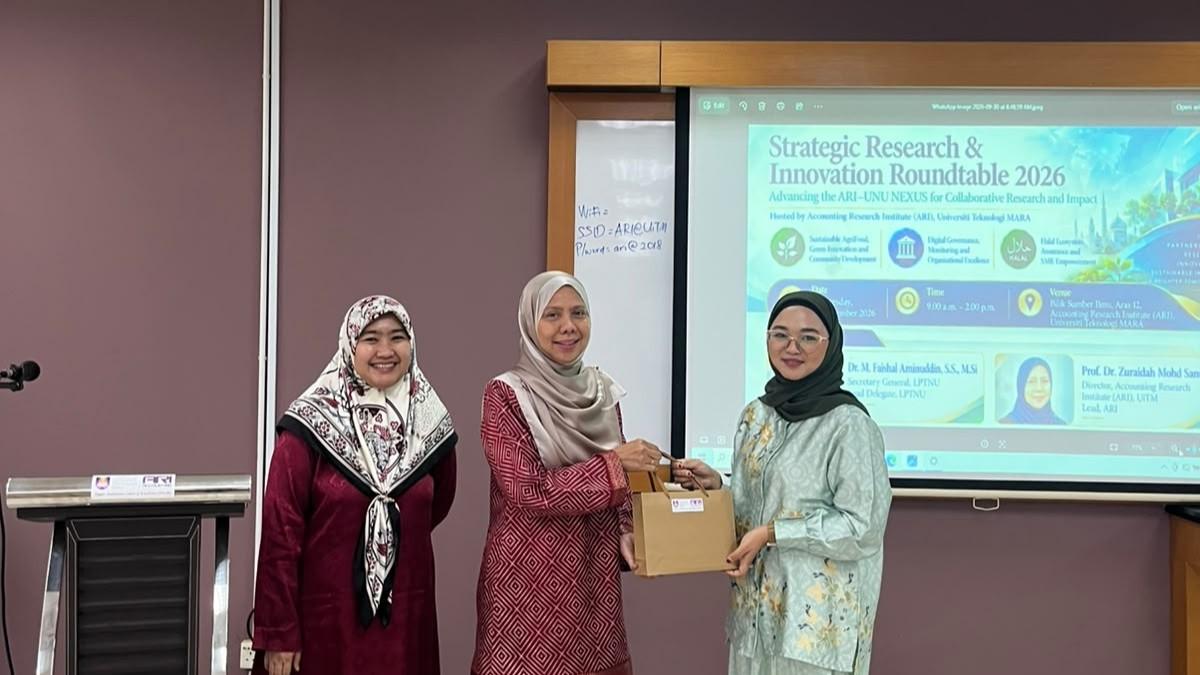
UNU Jogja–UiTM Strengthen the Halal Ecosystem through Halal Navigator System Research
Published by Latifatussolikhah, 2 Oct, 2026 | Duration. 3 Minutes
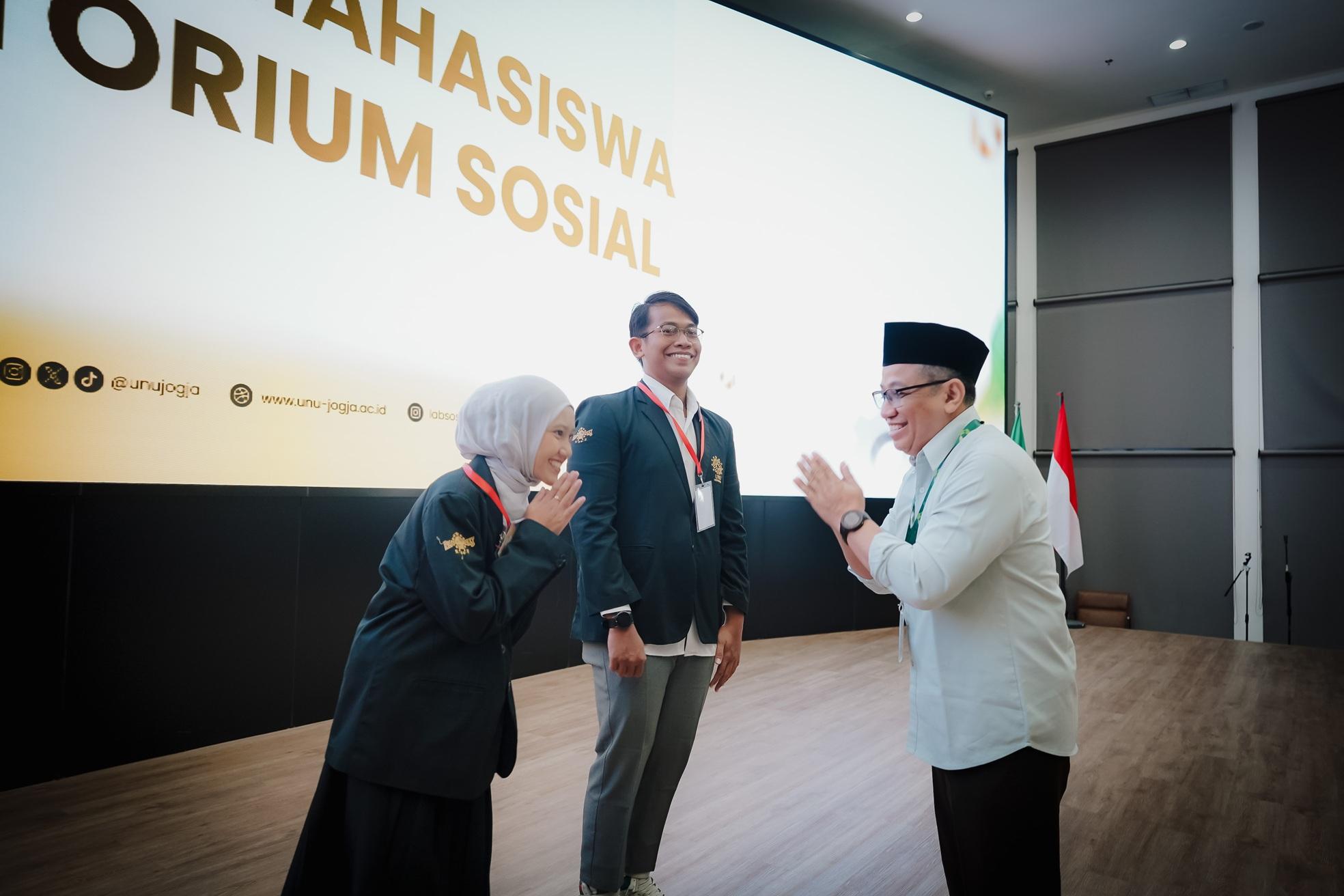
UNU Jogja Sends 125 Students to 32 Labsos Partners, Promoting Collaboration and Real-World Impact
Published by Latifatussolikhah, 28 Sep, 2026 | Duration. 4 Minutes
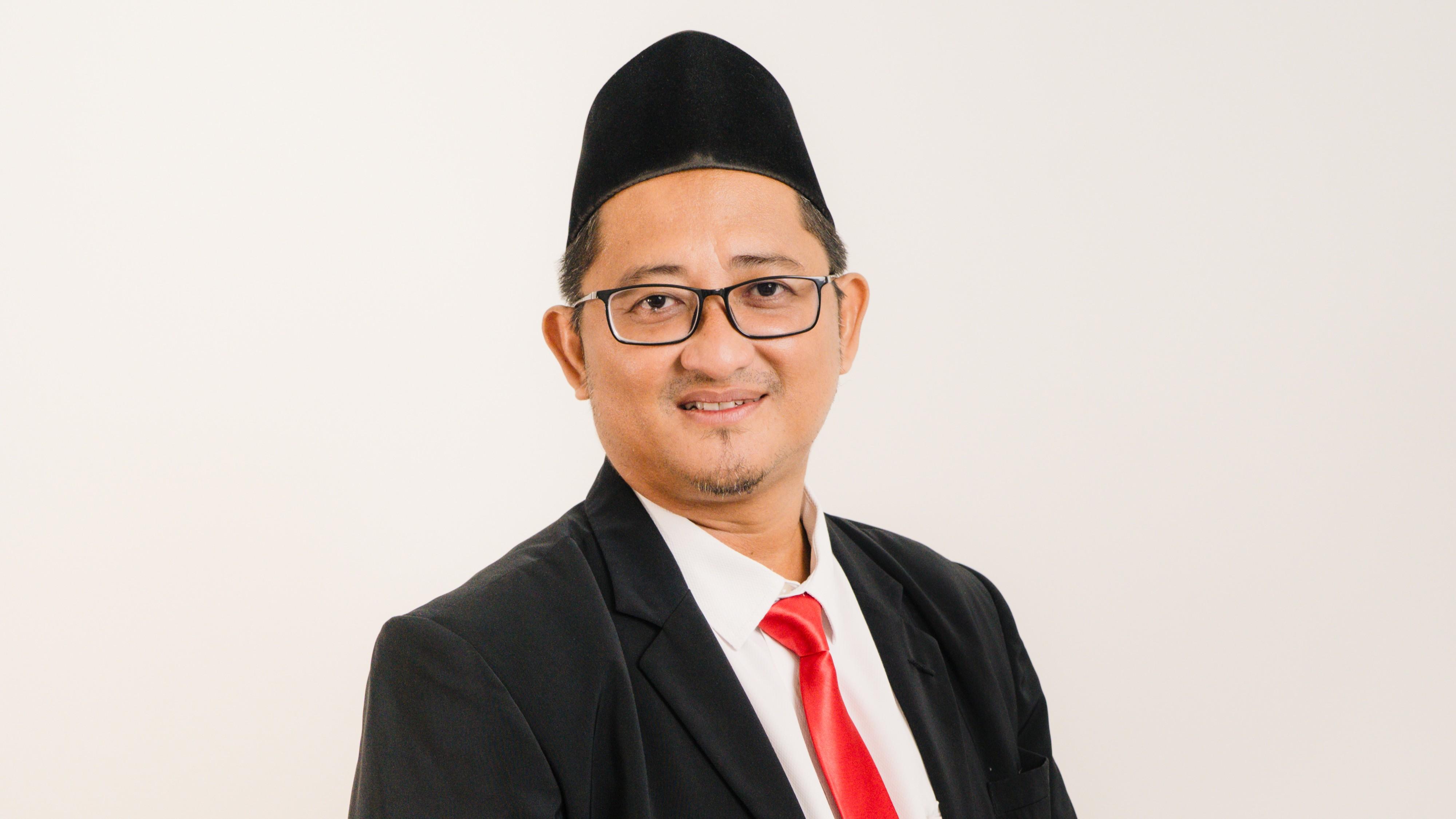
UNU Jogja Lecturer’s Research on Arabic and ChatGPT to Be Presented at Southeast Asian Conference
Published by Latifatussolikhah, 25 Sep, 2026 | Duration. 3 Minutes
Popular News
Five PGSD UNU Jogja Alumni Pass Teacher Professional Education Program, Prepare to Become Future Teachers
Published by Latifatussolikhah, 1 Oct, 2026 | Duration. 4 Minutes
UNU Jogja Management Student Muhamad Chaerul Faalih Named 2nd Runner Up Putra Bahari DIY 2026
Published by Latifatussolikhah, 30 Sep, 2026 | Duration. 5 Minutes
UNU Jogja Students Pass P2MW Selection and Join KMI Expo XVII 2026
Published by Latifatussolikhah, 15 Sep, 2026 | Duration. 3 Minutes
Representing Yogyakarta, UNU Jogja Management Student Agung Putra Darmara Wins 2nd Honorable Mention at 2026 Indonesian Duta Genre
Published by Latifatussolikhah, 25 Sep, 2026 | Duration. 6 Minutes