
Hospitality as a Distinctive Strength
Published by Latifatussolikhah, 18 Sep, 2026
Est. 6 Minutes
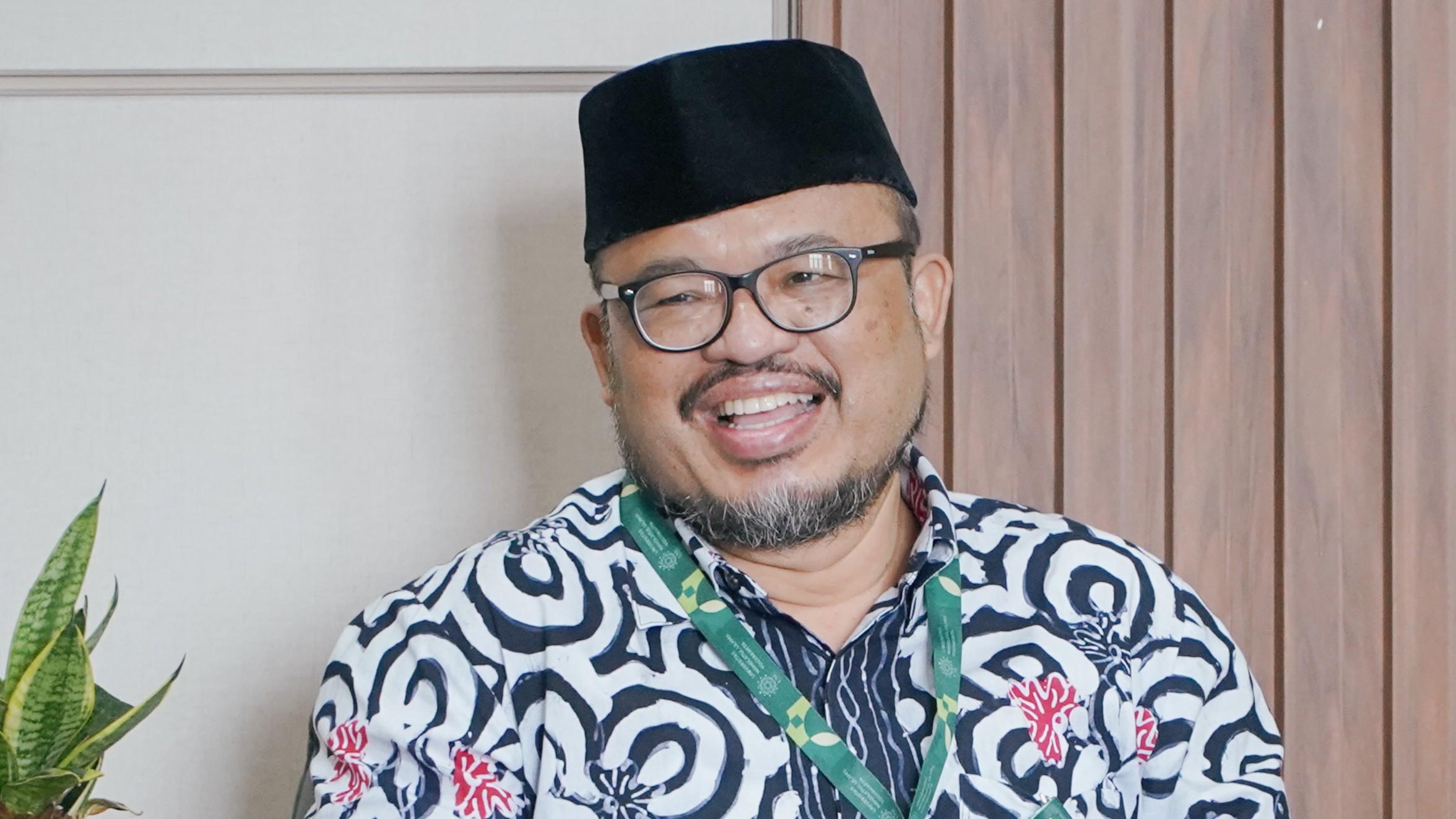
By: Dr. Abdul Ghoffar, M.B.A
[OPINION] We are known as a friendly nation. Hospitality is often described as one of the defining characteristics of Indonesian society. People who come from abroad and visit different parts of Indonesia often speak not only about our natural beauty and cultural richness, but also about the warmth and friendliness of the people.
Hospitality is not merely about smiling, greeting others, or engaging in small talk. More than that, it is an expression of compassion and respect for others. At the heart of hospitality is a willingness to see others as fellow human beings who deserve to be respected, rather than as strangers who should be viewed with suspicion or treated with indifference.
In an increasingly complex and demanding world, particularly in large cities, hospitality has become more important than ever. Urban life requires people to move quickly. Roads are becoming more congested, work is increasingly competitive, demands continue to grow, while opportunities to rest and interact with others become increasingly limited. In such circumstances, even minor friction can easily develop into conflict.
That is why we need gentleness.
Gentleness does not mean weakness. In fact, living together requires the ability to exercise self-restraint. A gentle person is not someone who lacks strength, but someone who chooses not to use force when it is unnecessary. They choose to understand before judging, to give others space before imposing their will, and to practice consideration when dealing with the interests of others.
It is this gentleness, among other things, that is reflected in the way we treat others with hospitality.
Yogyakarta has a strong cultural foundation for developing this idea. As one of the regions where Javanese culture has flourished, Yogyakarta embraces the tradition of olah rasa: the ability to cultivate sensitivity to other people's feelings, to be mindful of those feelings, and to conduct oneself appropriately in social relationships. In Javanese culture, gentleness, courtesy, consideration, and respect for others have long held an important place.
For this reason, Yogyakarta could potentially be developed as a kind of “laboratory” for a culture of hospitality. Not a laboratory in a formal or rigid sense, but a living social space where small habits that reflect kindness and hospitality can be cultivated, practiced, and experienced by the community.
One simple example can be found on the roads.
In Yogyakarta, we relatively rarely encounter drivers who honk excessively. The horn is generally used when necessary, rather than as a way to vent impatience or to assert that one has a greater right to the road than others.
This kind of small habit is actually quite meaningful. As roads become increasingly crowded and everyone has somewhere to be, we still need a willingness to understand one another. When the vehicle ahead of us is moving more slowly, for example, it does not necessarily mean that the driver is being inconsiderate. There may be reasons we do not know. A little patience and consideration can make the same journey feel much more comfortable.
Such hospitality does not require significant resources. It does not require complicated rules. It simply requires an awareness that we live alongside other people.
From these small habits, we can develop others: greeting people in our surroundings, giving others a turn, not interrupting conversations, avoiding humiliating others in public, helping those who need assistance, maintaining peace and quiet in public spaces, and using language that does not hurt other people's feelings.
These things may seem simple. Yet shared life is built precisely from simple habits practiced consistently over time.
If we can develop a culture of hospitality across different aspects of everyday life, our cities will feel more comfortable. People will not constantly feel the need to be wary of one another. Public spaces will become more pleasant. Differences will be less likely to turn into confrontation. In such an atmosphere, productivity, creativity, and the overall quality of life can also flourish.
Yogyakarta has an even greater opportunity because the city is home to people from remarkably diverse backgrounds. One of Yogyakarta's important strengths is the presence of hundreds of thousands of university students who come from different parts of Indonesia. They come not only to study at universities, but also to learn how to live within a community that may be different from the one they grew up in.
Imagine if, during their time in Yogyakarta, they not only gained knowledge from their universities but also experienced a culture of everyday hospitality. They would experience how people respect one another, how differences can be accepted, how conflicts can be eased through gentleness, and how public spaces can be shared with consideration and mutual respect.
Such experiences can become invaluable.
Later, when these students return to their hometowns or work in different parts of Indonesia, they can carry those experiences with them. The positive habits they encounter and experience in Yogyakarta can be continued in their own communities. In this way, a culture of hospitality would not stop at the boundaries of Yogyakarta but could spread through the people who have lived and studied here.
Hospitality, therefore, is not merely a personal attitude. It can become a cultural strength—perhaps even a distinctive advantage of a region.
We often talk about regional strengths in terms of infrastructure, the economy, technology, human resources, or tourism. All of these are important. But there is one strength we often overlook: the quality of relationships between people.
Perhaps it is time for Yogyakarta to strengthen this particular advantage. To become a place where hospitality is not merely a slogan, but an everyday habit. A place where gentleness is not regarded as something outdated, but as a strength for navigating an increasingly demanding modern world.
If Yogyakarta can demonstrate that a modern society can still live with hospitality, courtesy, and mutual consideration, then Yogyakarta will be offering Indonesia something far greater: a model of living together that is more humane.*
Author: Dr. Abdul Ghoffar, M.B.A., currently serves as Vice Rector for Pesantren Education and Social Transformation at Universitas Nahdlatul Ulama Yogyakarta. In addition to his academic work, he is also known as a social activist and Islamic scholar, and is actively involved in the leadership of PWNU DIY as an A’wan Syuriah for the 2022–2027 term.
Editor: Latifah
*Editorial Note: This article is the work of the author. All content, views, interpretations, and information presented are the responsibility of the author. The editorial team is not responsible for any views or opinions expressed in the article beyond the editing process undertaken for publication.
Share
Related News

When Bu Nyai Create Their Own Space
Published by Latifatussolikhah, 18 Sep, 2026 | Duration. 8 Minutes

Closing Ranks for the Welfare of Nahdlatul Ulama’s Jamaah and Jam’iyah
Published by Latifatussolikhah, 11 Sep, 2026 | Duration. 5 Minutes

Reflecting on the Prophet’s Birthday: Becoming Good in the Prophet’s Eyes
Published by Latifatussolikhah, 28 Aug, 2026 | Duration. 5 Minutes
Popular News
UNU Jogja Students Pass P2MW Selection and Join KMI Expo XVII 2026
Published by Latifatussolikhah, 15 Sep, 2026 | Duration. 3 Minutes
UNU Jogja Students and Alumni Attend Coinfest Asia 2026, Joining Techies from 90 Countries to Shape the Future of Global Technology and Digital Industry
Published by Latifatussolikhah, 26 Aug, 2026 | Duration. 4 Minutes
FREQUENTLY ASKED QUESTIONS (FAQ): BEASISWA TALENTA LESTARI 2026
Published by Intan Agisti Nila Sari, 21 Jul, 2026 | Duration. 9 Minutes
Mutiara Azzahra Tzabitah Zain Ababil, Deaf Student of UNU Jogja's Food Technology Study Program, Wins First Runner-Up at the 2026 Deaf Inter-Club Futsal Tournament
Published by Latifatussolikhah, 7 Aug, 2026 | Duration. 3 Minutes