
UNU Jogja Lecturer Explores the Historical Footprints of Wali Songo in Kelantan, Malaysia, at AICIS 2026 International Conference
Published by Latifatussolikhah, 23 Nov, 2026
Est. 6 Minutes
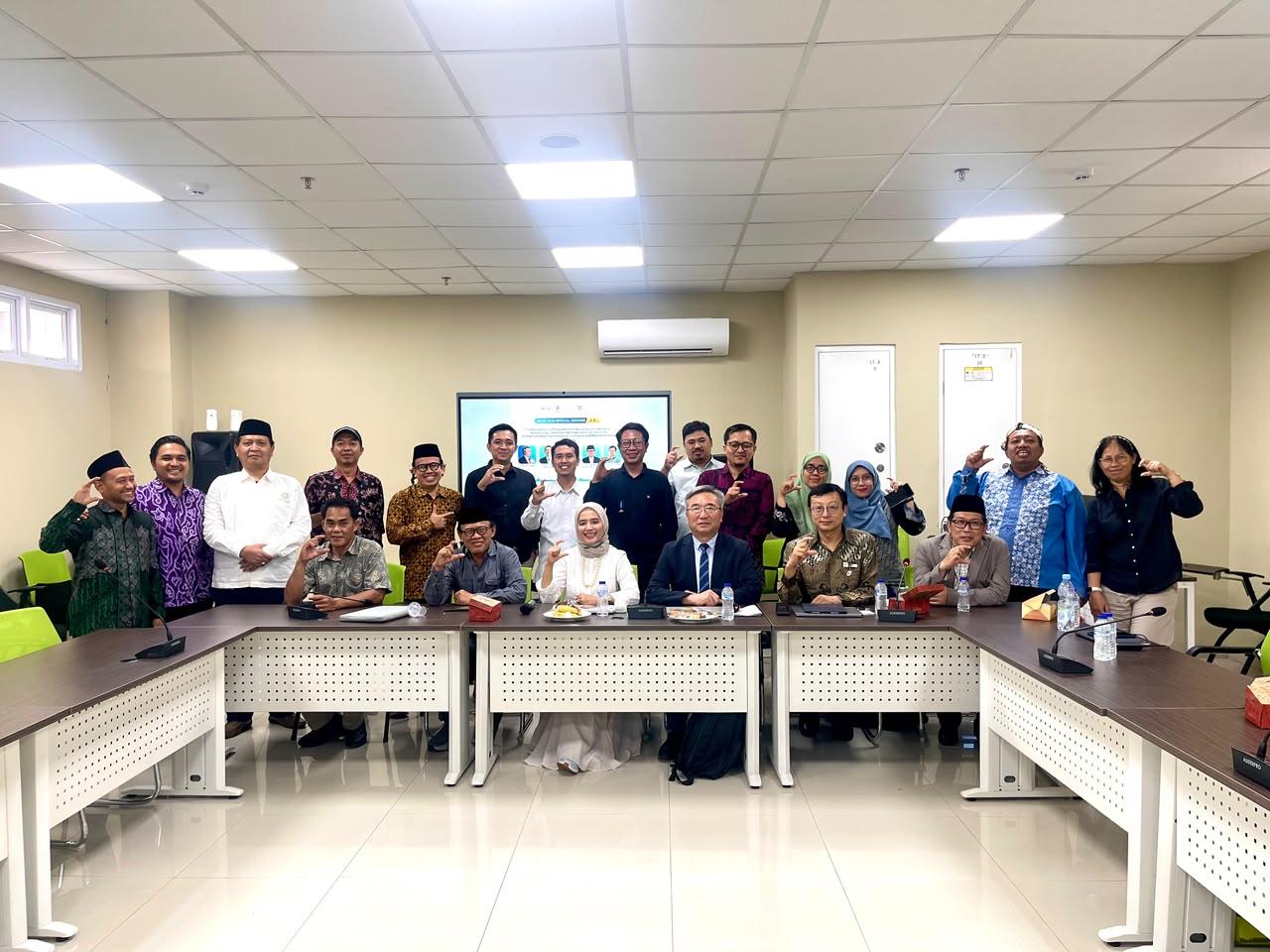
Cirebon, Indonesia — Universitas Nahdlatul Ulama Yogyakarta (UNU Jogja) has once again demonstrated its contribution to international academic forums. Dr. Jazilus Sakhok, a lecturer at the Faculty of Islamic Studies (FDI) at UNU Jogja, presented his research at The 25th Annual International Conference on Islam, Science, and Society (AICIS) 2026, held at Universitas Islam Negeri Siber Syekh Nurjati Cirebon on Thursday, November 19.
Vice Dean of FDI UNU Jogja, Dr. M. Rofiqi, expressed his appreciation for this participation. He noted that the involvement of lecturers in international academic forums provides an opportunity to broaden intellectual exchange while introducing UNU Jogja scholars' research to a wider academic community.
“Dr. Jazilus's participation in AICIS 2026 is an important contribution to bringing the research and scholarly perspectives of UNU Jogja academics to the international stage. Forums like this also provide opportunities to exchange perspectives and enrich academic discussions, particularly on the history, Islam, and civilisation of the Nusantara region,” he said.
He expressed his hope that this participation would encourage more FDI UNU Jogja lecturers to engage in international academic forums. In this way, the faculty's contribution to knowledge development can extend beyond the national academic environment and reach the global scholarly community.
At the prestigious conference, Jazilus presented his research entitled “Beyond the Border: Finding the Wali-Songo’s Traces in Kelantan.” The study offers a new perspective on the history of Islam's spread across the Nusantara region, particularly the historical connections between Wali Songo in Java and Islamic networks in the Malay world, especially Kelantan, Malaysia.
The presentation was delivered during Special Session #12, entitled “Confucianism in China and Islam Nusantara in Indonesia: Revitalizing Traditional Heritage and Civilization for Human Centered Technological Innovation and World Harmony.”
The international session featured Prof. Qi Jinjiang, a researcher from the Confucius Research Institute, as chairperson, and Dr. A. Ginanjar Sya'ban, Dean of the Faculty of Islamic Nusantara at Universitas Nahdlatul Ulama Indonesia (UNUSIA) Jakarta, as moderator.
Tracing the Footprints of Wali Songo Beyond Geographical Boundaries
In his presentation, Jazilus explained that studies of Wali Songo have largely focused on the historical and cultural context of Java. However, the history of Islamisation across the Nusantara region cannot be separated from interregional networks connecting Java, the Malay Peninsula, Champa, and other parts of Southeast Asia.
Through his research, Jazilus seeks to broaden this perspective by positioning Kelantan as an important region within the historical networks of Islamisation involving figures and families associated with Wali Songo.
One of the historical foundations he presented was an account in the 14th-century Nagarakretagama, particularly Canto 14, stanza 2, which mentions Kalanten, or Kelantan, among the territories connected to the Majapahit Kingdom.
This reference serves as an initial point of departure for understanding that connections between Java and Kelantan existed long before the wider development of Islamisation in the region.
In examining the historical evidence, Jazilus adopted the framework of historian Sartono Kartodirdjo, who classified historical facts into three categories: artifact (physical remains), socio-fact (social facts), and mentifact (mental facts or collective ideas).
Through this approach, the history of Wali Songo is explored not only through written documents but also through physical remains, community traditions, collective memory, and cultural expressions that continue to exist today.
Sheikh Jumadil Kubra and the Java–Kelantan Connection
One of the key aspects of Jazilus's research is his examination of Sheikh Jumadil Kubra, also known as Sayyid Hussein Jamadil Kubra, who is associated in several historical and genealogical traditions with the Islamisation of Champa, Kelantan, and Java during the 14th and 15th centuries.
Based on several genealogical sources examined in his research, this figure was connected to royal circles in Champa and Kelantan. Meanwhile, Javanese sources associate him with the lineage of Ibrahim Asmarakandi and Raden Rahmat, also known as Sunan Ampel.
These genealogical connections provide an entry point for understanding the possible networks of Islamic scholars, family ties, and cross-regional religious mobility that contributed to the development of Islam in Java.
Jazilus's study also highlights the existence of Kampung Laut Mosque, one of the oldest mosques in Kelantan, which shares architectural similarities with the tradition of ancient mosques in Java, particularly the Demak Mosque.
Beyond these architectural similarities, local traditions associate the construction of the mosque with journeys undertaken by figures from Java. Nevertheless, these accounts should be regarded as historical narratives that require further examination through additional sources.
Jazilus also discussed Bukit Panau in Kelantan, which local traditions associate with the scholarly journeys of Sunan Bonang and Sunan Giri. According to several local accounts, both figures are said to have studied under Sheikh Muhammad Saman, also known as Sang Adi Putra.
Another interesting finding concerns Kelantanese shadow puppetry, or wayang kulit. According to accounts shared by some local puppeteers, this art form is associated with a figure known as Syaikhul Melaya, who is identified in this tradition as Sunan Kalijaga.
These historical and cultural traces highlight the importance of viewing Wali Songo not merely as local figures from Java, but as part of a broader intellectual, spiritual, and cultural network across the Malay world and the Nusantara region.
Strengthening Civilisational Dialogue and Islam Nusantara
In the concluding part of his presentation, Jazilus emphasised the importance of understanding the Islamisation of the Nusantara region as the result of dynamic interactions and exchanges between different regions.
From this perspective, the connections between Java and Kelantan represent not only the movement of religious figures but also the exchange of knowledge, Islamic educational traditions, and social and cultural transformations.
The study also opens up opportunities for further research into possible connections between the Islamisation networks of the Nusantara region and Chinese civilisation through the historical mobility of religious figures.
This perspective is particularly relevant to the theme of the international session, which brought together discussions on Confucianism in China and Islam Nusantara in Indonesia. Both traditions were examined within the broader framework of civilisational dialogue, the revitalisation of traditional heritage, and efforts to promote global harmony amid advances in modern technology.
In addition to Jazilus, the session featured several academics and researchers: Dr. Maya Mayadina from UNISNU Jepara; Dr. Ali Abdillah from UNUSIA Jakarta; Deny Hamdani, Ph.D., from UIN Jakarta; Dr. Cand. Idris Mas'udi from UNUSIA Jakarta; Almanuari, M.A., from UNUSIA Jakarta; and Mohammad Hasan Basri, M.A., Ph.D., from CSNS UNUSIA Jakarta. []
Contributor: Dr. M. Rofiqi
Editor: Latifah
Share
Related News
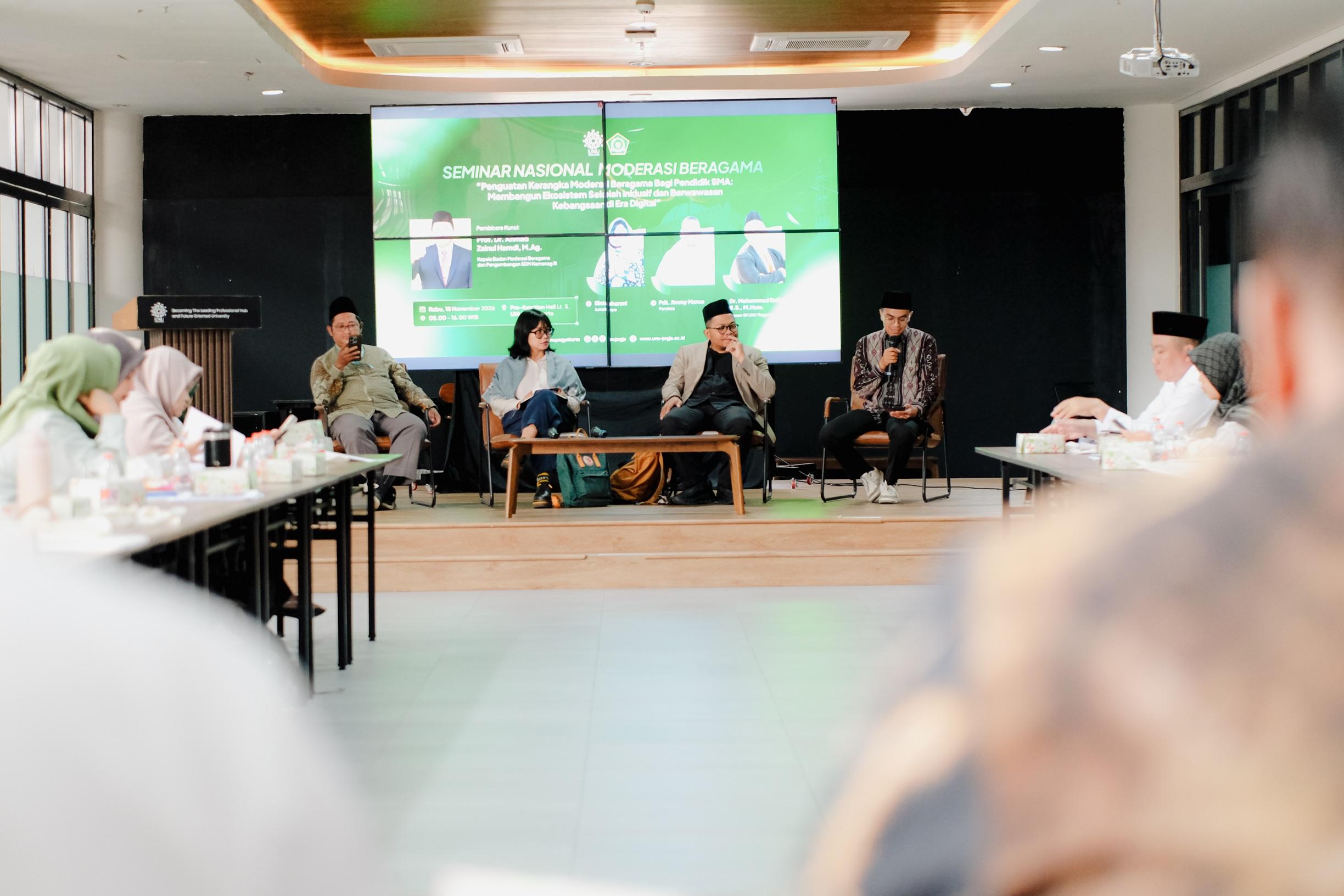
UNU Jogja’s Faculty of Islamic Studies Strengthens Religious Moderation among 40 Senior High School Teachers in Yogyakarta through National Seminar
Published by Latifatussolikhah, 23 Nov, 2026 | Duration. 7 Minutes
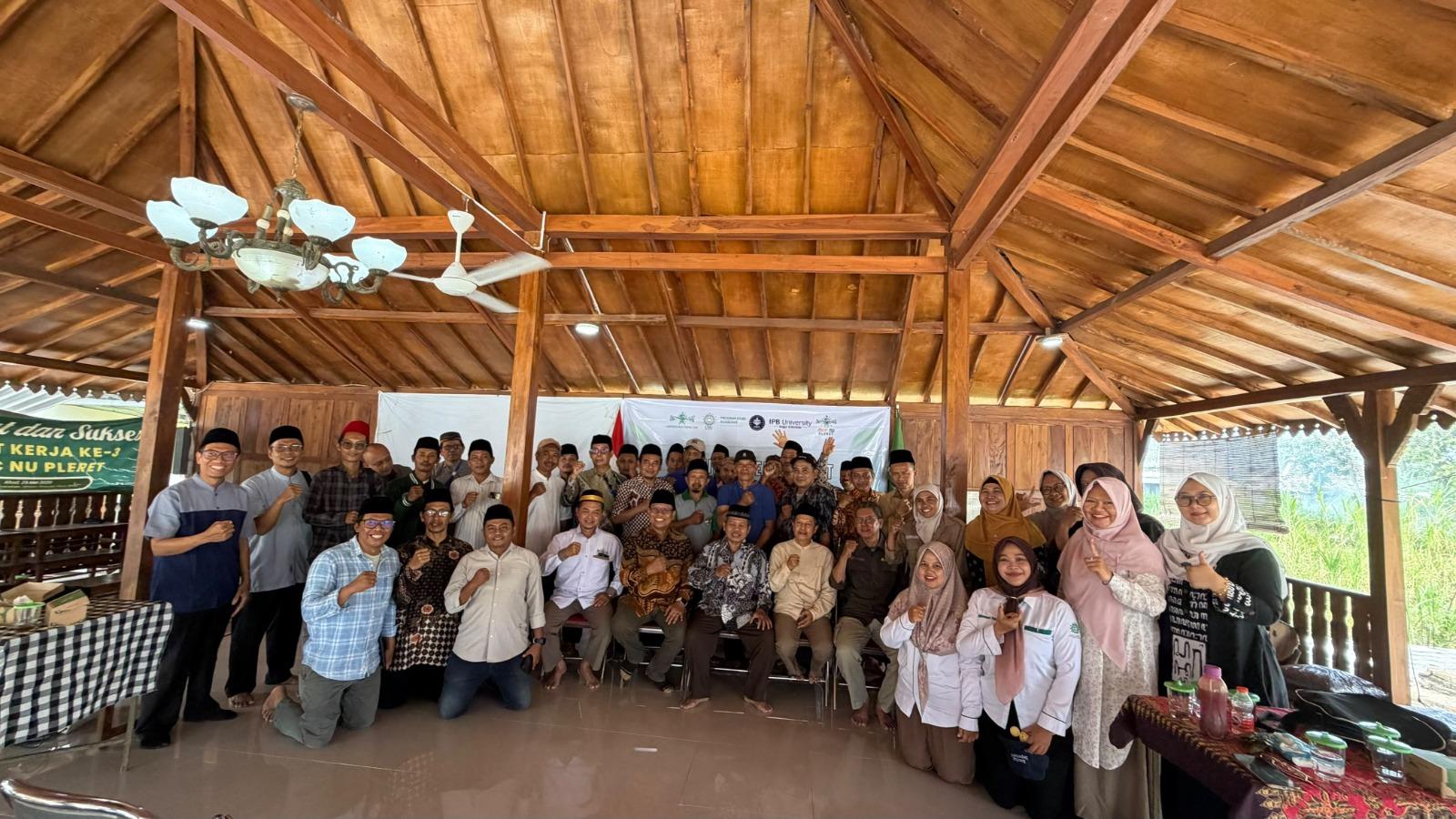
Developing a Seedling Nursery and Agroforestry: UNU Jogja and IPB University Optimize NU Waqf Land
Published by Latifatussolikhah, 16 Nov, 2026 | Duration. 5 Minutes
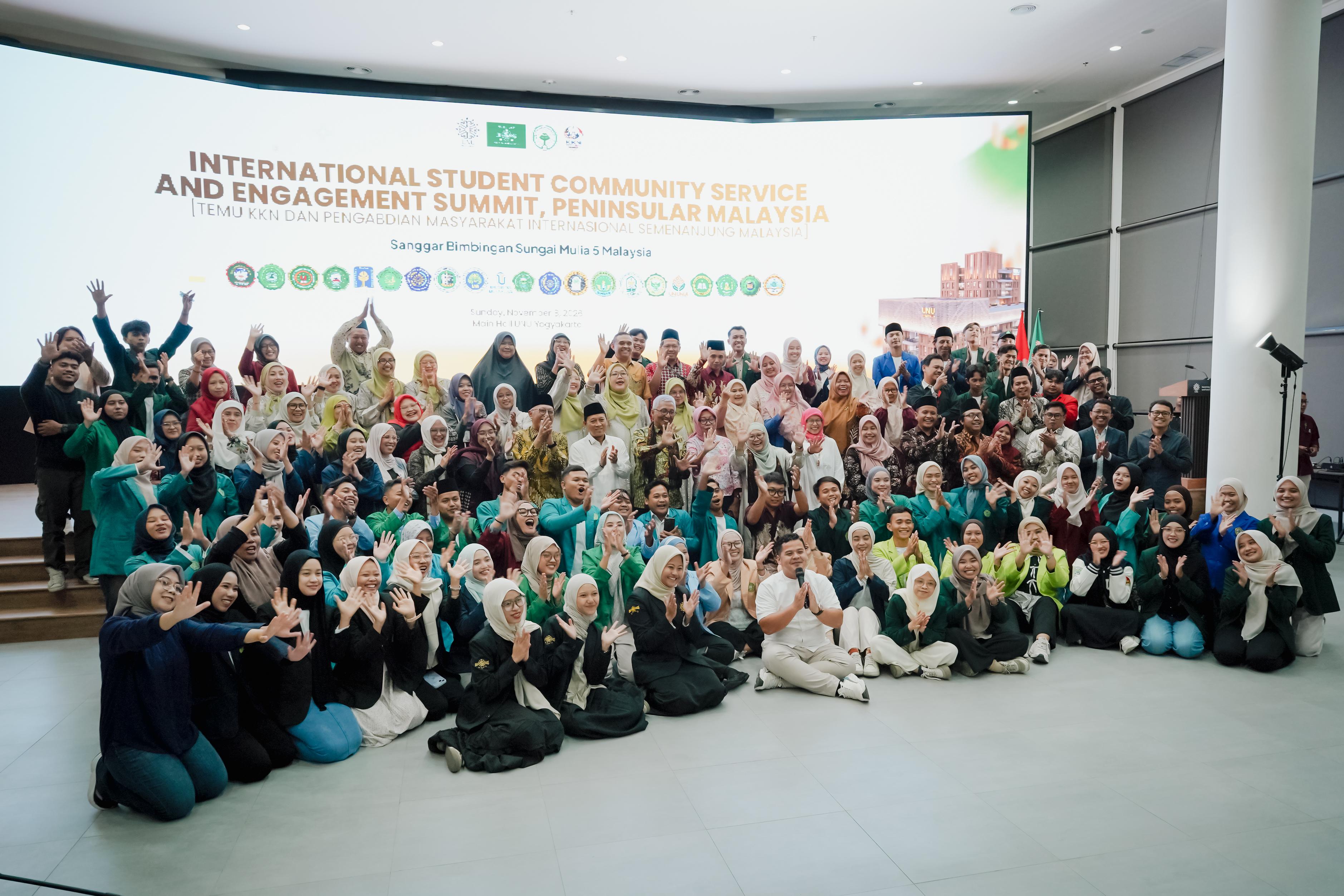
UNU Yogyakarta and 21 Universities Strengthen Education for Migrant Workers’ Children in Malaysia
Published by Latifatussolikhah, 10 Nov, 2026 | Duration. 9 Minutes
Popular News
UNU Jogja Pharmacy Students Win First Honorable Mention Nationally with Digital Technology and Gotu Kola Innovation for TB Control
Published by Latifatussolikhah, 19 Nov, 2026 | Duration. 3 Minutes
Arifin Kurnia Setiatama, Islamic Interdisciplinary Studies Student at UNU Jogja, Wins Second Honorable Mention in the 2026 Kulon Progo Youth Potential Selection
Published by Latifatussolikhah, 18 Nov, 2026 | Duration. 4 Minutes
UNU Jogja Pharmacy Students Win Honorable Mention at International Coophar 2026 Poster Competition
Published by Latifatussolikhah, 13 Nov, 2026 | Duration. 3 Minutes
Two Pharmacy Students of UNU Jogja Win Second Runner-Up Honorable Mention at the National Pharmacist Education Competition
Published by Latifatussolikhah, 16 Nov, 2026 | Duration. 2 Minutes